Have you ever dreamed of studying dolphins, coral reefs, or deep-sea ecosystems? Marine biologists dedicate their lives to understanding ocean life and protecting marine habitats. But before diving into this fascinating field, one key question arises:
What education is required to be a marine biologist?
Becoming a marine biologist takes more than just a love for the ocean. It requires years of education, hands-on research, and a commitment to science. From high school science labs to advanced university research, every stage of education builds the foundation for this rewarding career.
What Does a Marine Biologist Do?
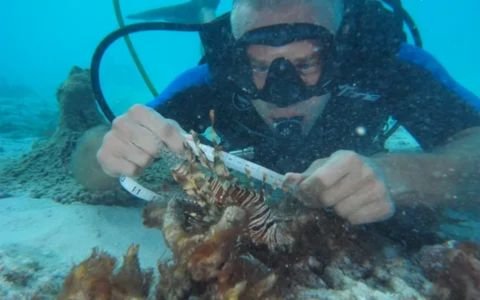
Marine biologists study organisms that live in saltwater environments, including oceans, seas, and coastal regions. Their work may involve
- observing animal behavior
- collecting water samples
- analyzing data
- studying the effects of climate change on marine ecosystems.
Where Marine Biologists Work
They can work in a wide variety of settings—research institutions, universities, government agencies, aquariums, or non-profit conservation organizations. Some focus on fieldwork, while others spend most of their time analyzing data in labs.
Educational Requirements to Become a Marine Biologist
High School Preparation and Recommended Courses
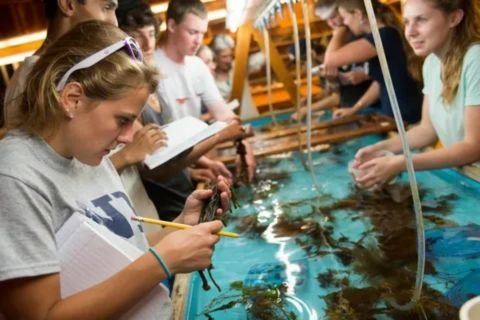
The journey starts in high school. Aspiring marine biologists should focus on subjects like biology, chemistry, physics, mathematics, and environmental science. Participating in science fairs, marine clubs, or local conservation projects also helps build early experience.
Bachelor’s Degree in Marine Biology or Related Fields
A bachelor’s degree is the minimum educational requirement for most entry-level marine biology jobs. While a major in marine biology is ideal, related fields such as zoology, environmental science, or oceanography are also excellent options.
Top Undergraduate Majors for Aspiring Marine Biologists
| Major | Focus Area | Career Relevance |
|---|---|---|
| Marine Biology | Marine ecosystems and organisms | Research and conservation |
| Oceanography | Physical and chemical properties of oceans | Environmental analysis |
| Zoology | Animal biology and behavior | Wildlife studies |
| Environmental Science | Ecosystem management | Policy and conservation |
Master’s Degree: Specialization and Research Opportunities
Many marine biologists pursue a master’s degree to specialize in areas like marine ecology, marine conservation, or molecular biology. Graduate studies offer hands-on research experience, laboratory work, and opportunities to publish scientific papers.
Ph.D. and Advanced Research Programs
For those who want to lead research projects, teach at universities, or work for top research institutions, a Ph.D. is often required. Doctoral programs emphasize independent research, data analysis, and original scientific contributions to marine science
Key Skills and Knowledge Areas for Marine Biologists
Scientific, Analytical, and Technical Skills
To succeed as a marine biologist, professionals should develop a strong foundation in the following areas:
- Data Analysis: Ability to interpret complex ecological and biological data.
- Research Methodology: Designing experiments, collecting samples, and maintaining accurate records.
- Scientific Writing: Preparing research papers, grant proposals, and technical reports.
- Statistical Software Proficiency: Familiarity with programs like R, SPSS, or MATLAB for analyzing datasets.
- GIS Mapping: Using Geographic Information Systems to study marine habitats and track species distribution.
- Laboratory Instrumentation: Skilled in using microscopes, spectrometers, and other lab equipment for marine research.
- Computer Literacy: Competent in data management tools and digital modeling systems.
Fieldwork and Laboratory Competencies
Marine biology often involves hands-on work in dynamic and challenging environments. Key field and lab competencies include:
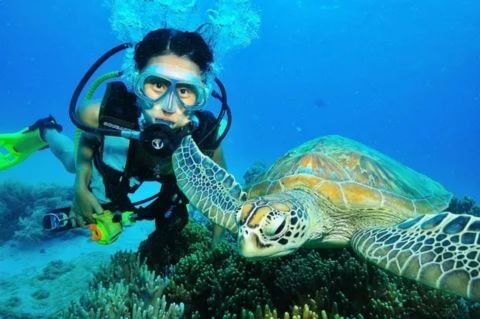
- Scuba Diving Certification: Essential for underwater research and coral reef studies.
- Physical Fitness: Ability to handle physically demanding fieldwork, including diving and sample collection.
- Teamwork and Collaboration: Working effectively with research teams during field expeditions and lab projects.
- Observation and Attention to Detail: Accurately monitoring marine species and environmental changes.
- Sampling Techniques: Collecting and preserving biological specimens responsibly.
- Navigation and Boat Operation Skills: Useful for conducting research in offshore or deep-sea areas.
- Adaptability: Adjusting to unpredictable marine conditions, weather, and long hours at sea.
- Environmental Awareness: Understanding ecological balance and promoting sustainable research practices.
Professional Certifications and Training
Diving Certifications
- PADI Open Water Diver or AAUS Scientific Diver certification
- Essential for safe underwater research and data collection
- Builds skills in marine navigation, buoyancy control, and safety procedures
Research Ethics & Animal Handling Training
- Certification in bioethics and animal handling
- Ensures ethical, legal, and humane research practices
- Training in environmental safety and responsible sampling methods
- Adds professional credibility and compliance with global research standards
Best Colleges and Universities for Marine Biology Degrees
Top U.S. and Global Marine Biology Programs
Some renowned institutions for marine biology include
- Scripps Institution of Oceanography (California, USA)
- University of Miami’s Rosenstiel School of Marine, Atmospheric, and Earth Science
- University of Hawaii at Manoa
- James Cook University (Australia)
- University of Southampton (UK)
Look for programs with access to marine research facilities, field study opportunities, and strong internship partnerships with aquariums or conservation groups.
Challenges and Rewards of a Career in Marine Biology
Marine biology can be physically demanding and competitive, but it’s also deeply rewarding. Professionals enjoy contributing to global environmental efforts, discovering new species, and helping preserve ocean ecosystems for future generations.
FAQs About Marine Biologist Education and Career Path
1. Do you need a Ph.D. to become a marine biologist?
Not always. Many positions require only a bachelor’s or master’s degree, but a Ph.D. is essential for academic and high-level research roles.
2. How long does it take to become a marine biologist?
It typically takes 4–10 years, depending on the level of education pursued.
3. Is math important in marine biology?
Yes, math is crucial for data analysis, statistics, and scientific modeling.
4. What is the best major for marine biology?
A marine biology major is ideal, but zoology or environmental science can also lead to this career.
5. Can I become a marine biologist with an online degree?
While some theoretical courses can be completed online, fieldwork and lab training require in-person participation.
6. Are there scholarships available for marine biology students?
Yes! Many universities and marine research institutions offer scholarships and fellowships for marine science students.
References
- U.S. Bureau of Labor Statistics (BLS). “Zoologists and Wildlife Biologists – Occupational Outlook Handbook.”
- Scripps Institution of Oceanography – University of California San Diego.
“Marine Biology Undergraduate and Graduate Programs.”