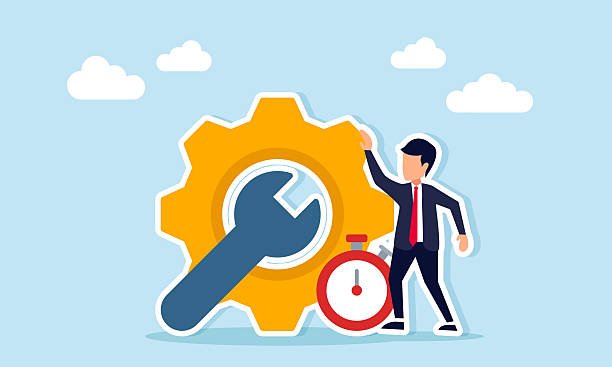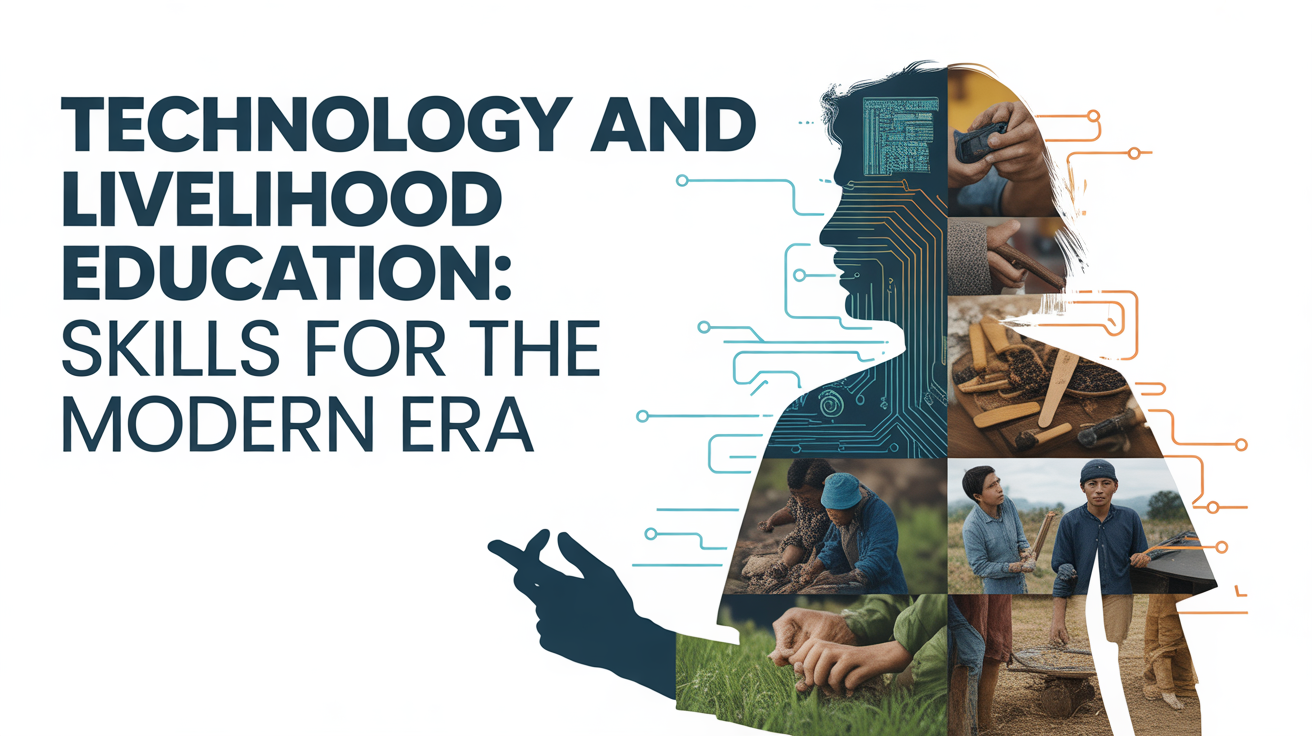
Builds practical, digital, and entrepreneurial skills, preparing students for modern careers and sustainable livelihoods.
What is Technology and Livelihood Education
Technology and Livelihood Education (TLE) is a vital part of the K-12 curriculum that teaches students real-life and work-ready skills. It combines technology, entrepreneurship, and hands-on learning to prepare learners for livelihood and self-employment.
TLE includes four strands Home Economics, Agri-Fishery Arts, Industrial Arts, and ICT each developing practical and technical abilities. Through TLE, students gain the confidence, creativity, and skills needed to succeed in future careers or start their own livelihood.
History and Development of Technology and Livelihood Education
Technology and Livelihood Education (TLE) evolved from traditional vocational training into a key part of the K–12 basic education program. It was introduced by the Department of Education (DepEd) to help students develop technical and entrepreneurial skills for self-reliance. Over time, TLE became part of the Technical-Vocational-Livelihood (TVL) track, aligning school learning with real-world work opportunities. Its goal is to prepare students for employment, entrepreneurship, and lifelong productivity.
| Aspect | Description |
|---|---|
| Full Name | Technology and Livelihood Education (TLE) |
| Origin | Evolved from traditional vocational training programs. |
| Introduced By | Department of Education (DepEd), Philippines |
| Purpose | To help students develop technical, practical, and entrepreneurial skills for self-reliance. |
| Integration | Became part of the Technical-Vocational-Livelihood (TVL) track in the K–12 curriculum. |
| Focus Areas | Employment readiness, entrepreneurship, and lifelong productivity. |
| Overall Goal | To align school learning with real-world work opportunities and prepare students for a sustainable livelihood. |
Components and Strands of Technology and Livelihood Education
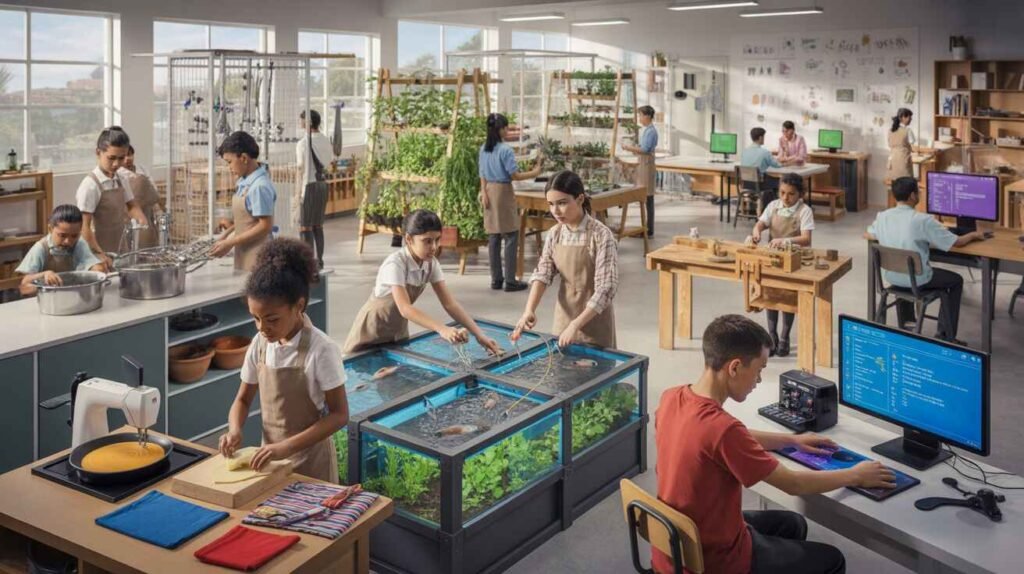
Technology and Livelihood Education (TLE) is built around four major strands: Home Economics, Agri-Fishery Arts, Industrial Arts, and Information and Communications Technology (ICT).
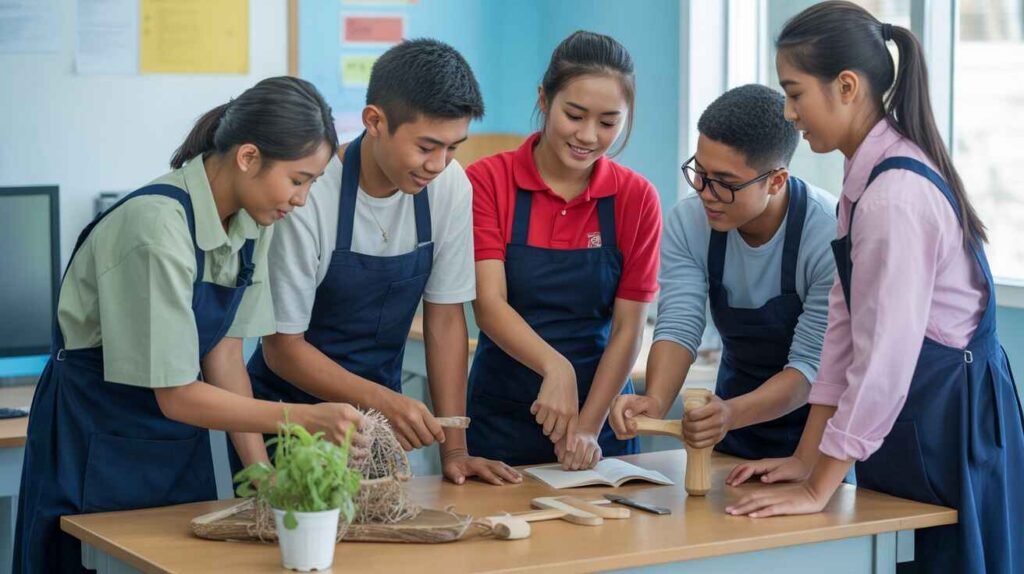
Each strand develops practical and technical skills that support both livelihood and entrepreneurship. Students learn through hands-on experiences such as cooking, farming, crafting, and computer work. These strands help learners discover their strengths and prepare for real-world careers or self-employment opportunities.
Structure of the TLE Curriculum (Grades 7–12)
Technology and Livelihood Education (TLE) follows a progressive structure under the K–12 curriculum. In Grades 7–8, students explore all strands through exploratory TLE. By Grades 9–10, they begin specialization, focusing on one area like ICT or Industrial Arts. In senior high school, TLE connects to the Technical-Vocational-Livelihood (TVL) track, leading to TESDA certifications. This structure helps students gain both academic knowledge and practical work skills for future careers.
Importance of Technology and Livelihood Education
Technology and Livelihood Education (TLE) plays a vital role in developing students’ practical, technical, and entrepreneurial skills. It bridges classroom learning with real-world applications, helping learners become self-reliant and job-ready. Through hands-on training and skill-based lessons, students gain confidence, creativity, and problem-solving abilities. TLE prepares students for employment, entrepreneurship, and lifelong productivity, making education more meaningful and relevant to everyday life.
Challenges and Best Practices in TLE Implementation
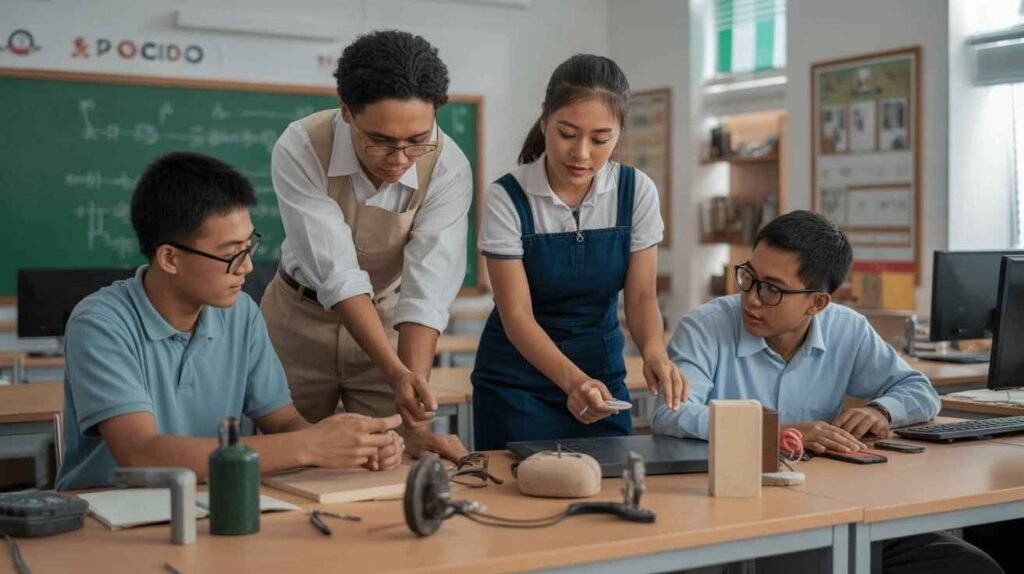
Technology and Livelihood Education (TLE) faces challenges such as limited equipment, lack of trained teachers, and outdated materials. These issues affect the quality of skill development in schools. To improve TLE implementation, schools need teacher training, industry partnerships, and updated learning tools. Encouraging hands-on learning and community support ensures that TLE remains effective in building students’ technical and entrepreneurial competencies for future success.
Future Trends in Technology and Livelihood Education
Technology and Livelihood Education (TLE) continues to evolve with modern innovations and changing workforce demands. Future TLE programs will integrate digital literacy, ICT skills, and sustainable practices to meet global standards. The rise of green technologies and online learning will reshape how technical skills are taught. By embracing innovation and sustainability, TLE prepares students for future careers that value adaptability, creativity, and technological competence.
Conclusion and Call to Action
Technology and Livelihood Education (TLE) is more than a school subject—it’s a foundation for real-world skills and lifelong success. It empowers students to think creatively, work efficiently, and pursue meaningful livelihoods. Schools, teachers, and communities must continue supporting TLE programs to ensure every learner gains practical and entrepreneurial abilities. By strengthening TLE, we prepare future generations for productive, sustainable, and technology-driven careers.
Frequently Asked Questions
Q1. What is the main purpose of Technology and Livelihood Education (TLE)?
The main purpose of TLE is to equip students with practical, technical, and entrepreneurial skills that prepare them for work or self-employment. It helps learners apply what they learn in real-life situations and promotes independence.
Q2. What are the four strands of TLE?
TLE includes four strands: Home Economics, Agri-Fishery Arts, Industrial Arts, and ICT.
Each strand focuses on specific skills that develop students’ creativity, productivity, and readiness for future careers.
Q3. Why is Technology and Livelihood Education important?
TLE is important because it bridges academic learning with real-world applications.
It helps students gain employable skills, build confidence, and prepare for entrepreneurship or technical careers.
Q4. How does TLE connect to the TVL track?
The Technical-Vocational-Livelihood (TVL) track expands the foundation of TLE in senior high school.
Students can earn TESDA certifications, which qualify them for jobs or small business opportunities.
Q5. What are the future trends in TLE?
Future TLE programs focus on ICT integration, digital skills, and sustainability.
They prepare students for the demands of modern industries by promoting innovation and environmental awareness.