Discover how special education in contemporary society promotes inclusion, equality, and empowerment for learners with special needs.
Introduction
In today’s interconnected world, special education in contemporary society has become essential for creating equitable learning environments. It’s no longer just about teaching students with disabilities—it’s about reshaping education so every learner, regardless of ability, has a fair chance to succeed.
Special education in contemporary society challenges traditional barriers and fosters environments where students with special needs learn alongside their peers. Through collaboration among teachers, families, and policymakers, education becomes more adaptive and compassionate.
As we explore this topic, we’ll uncover why special education is vital, how it operates today, and the challenges and opportunities shaping its future.
What Is Special Education in Contemporary Society?
Special education in contemporary society refers to personalized teaching methods, resources, and support systems that meet the unique learning needs of students with disabilities or exceptionalities. Unlike past models that often segregated students, today’s approach centers on inclusion and equity.
Modern special education promotes Individualized Education Plans (IEPs)—tailored learning programs that consider each student’s strengths, challenges, and goals. These ensure that students receive not only academic instruction but also life skills and emotional support.
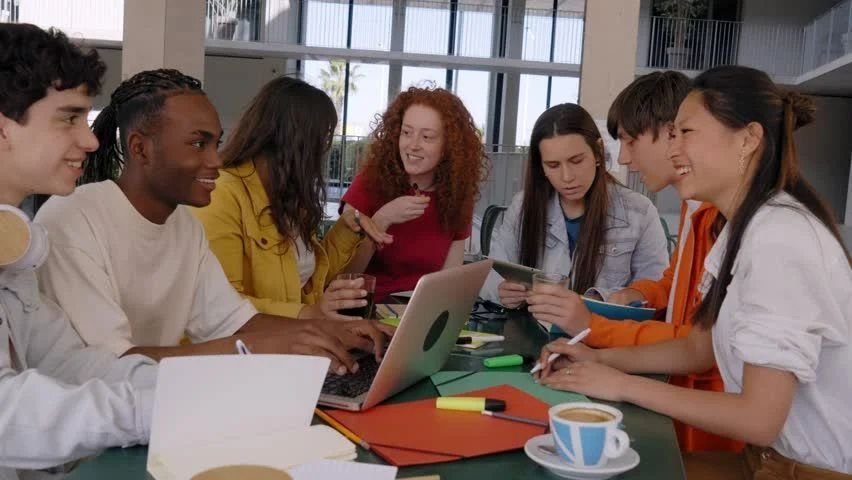
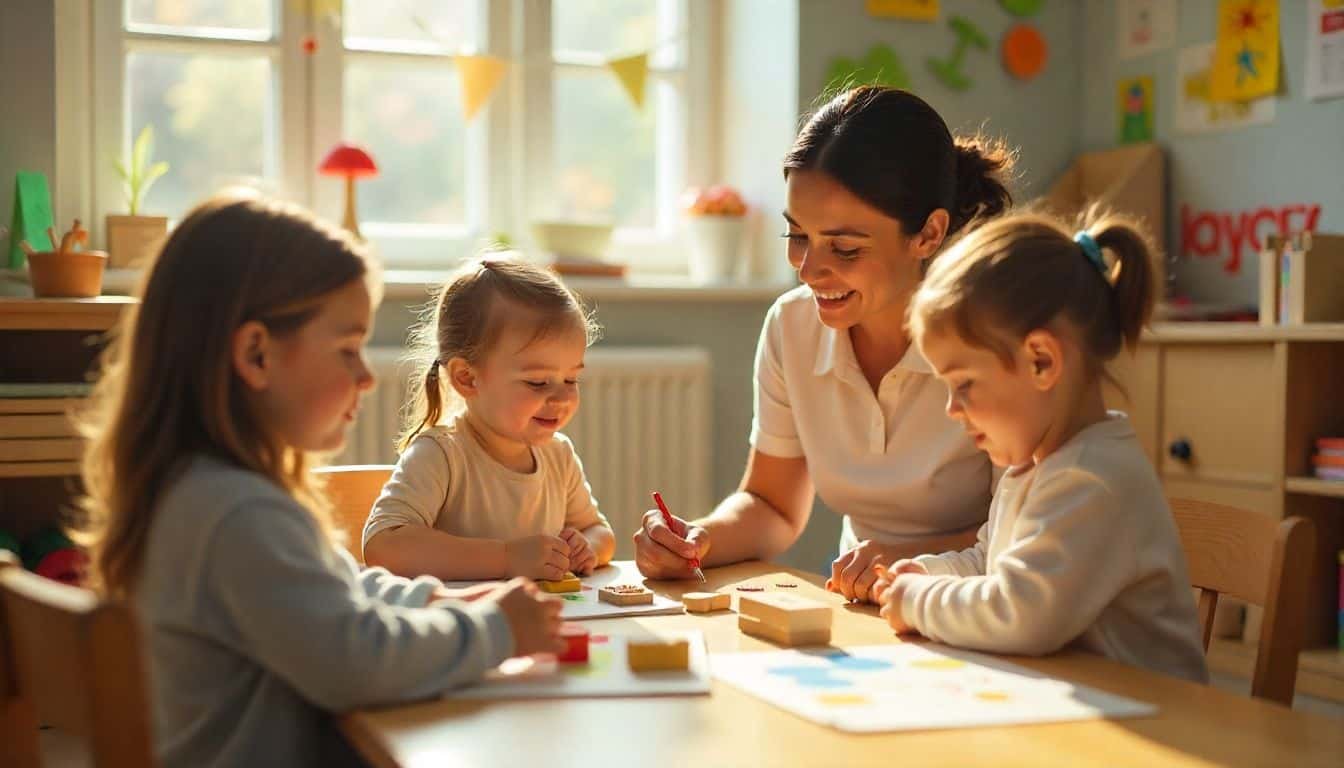
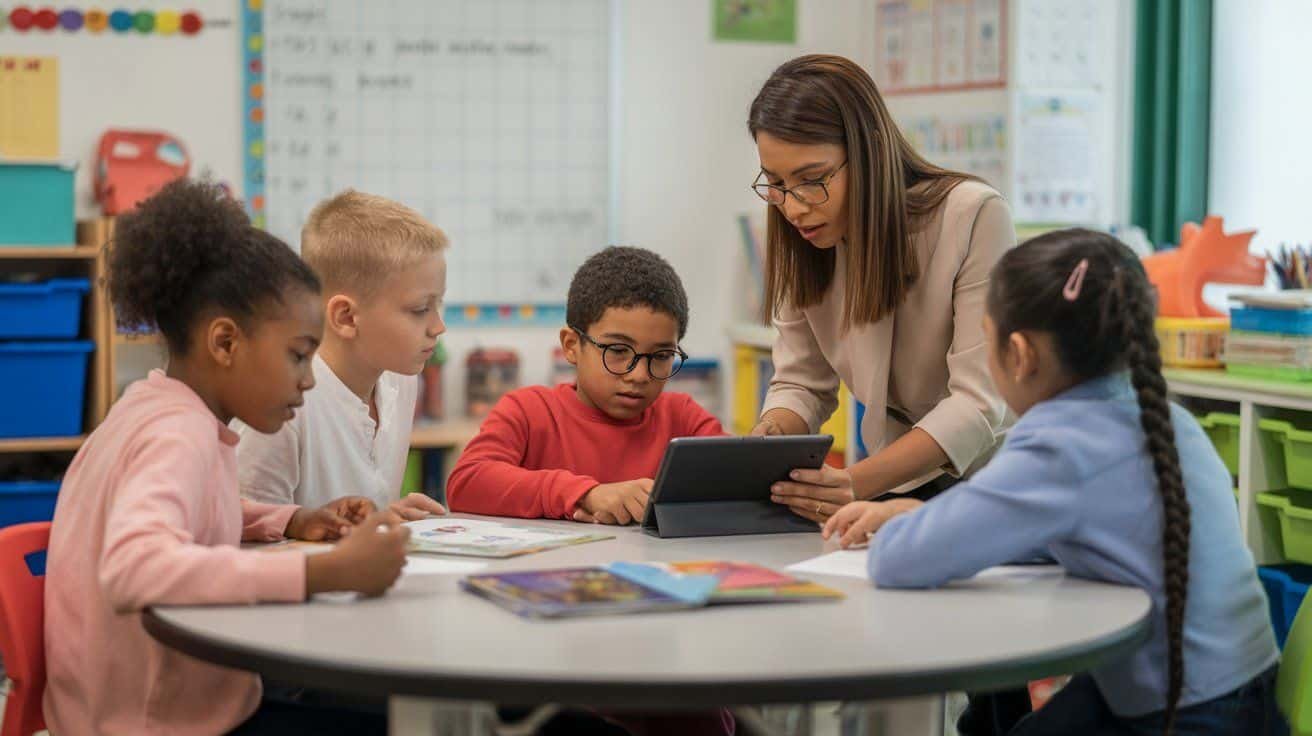
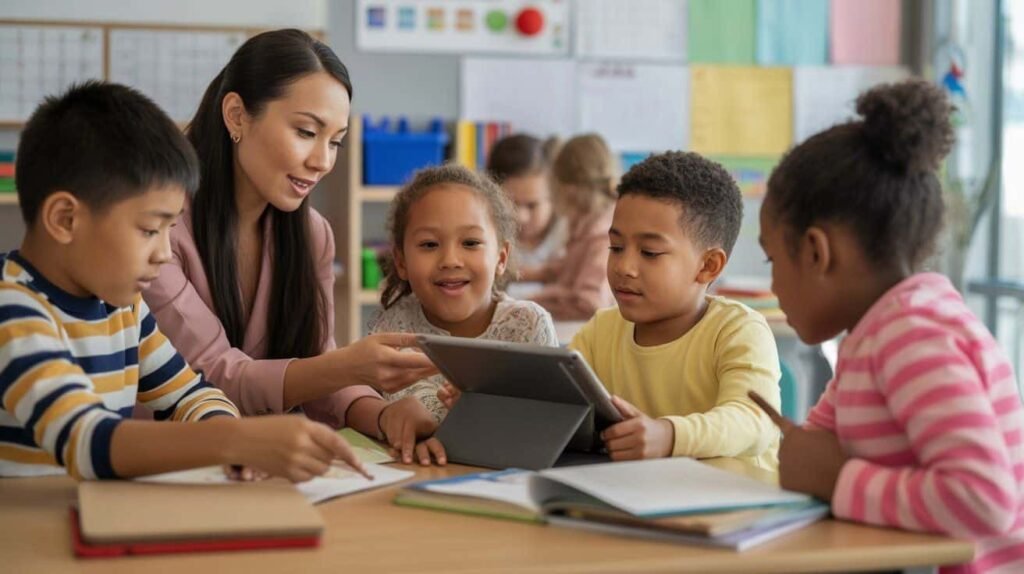
In inclusive classrooms, students with disabilities learn alongside peers in general education settings, supported by resource teachers, adaptive tools, and assistive technologies like text readers or communication devices. This collaboration fosters empathy, tolerance, and shared understanding—values that benefit all learners.
Ultimately, special education in contemporary society is about recognizing diversity as strength. It aligns with global educational goals promoting equal access and participation for all, ensuring that education reflects the richness of human potential.
The Importance of Special Education in Contemporary Society
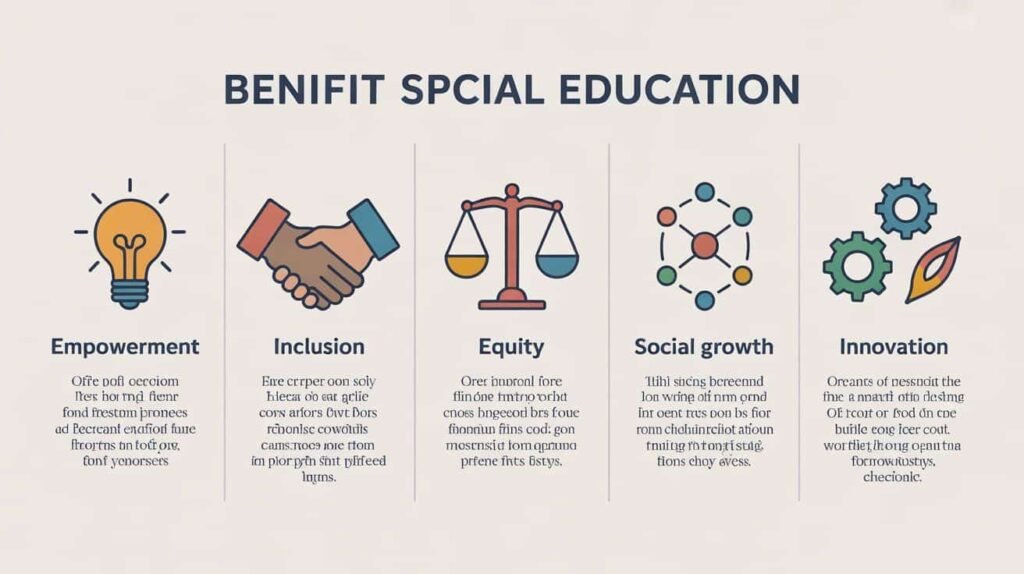
The role of special education in contemporary society extends far beyond academics—it’s about empowerment, equality, and progress.
| Key Importance | Explanation |
|---|---|
| Empowering Learners | Helps learners overcome barriers and reach their full potential with individualized support and instruction. |
| Promoting Social Inclusion | Encourages understanding among peers and builds inclusive communities by learning together. |
| Ensuring Educational Equity | Guarantees all students—regardless of ability—receive quality education opportunities. |
| Driving Economic and Social Benefits | Enables learners to contribute productively to society, enhancing workforce diversity. |
| Inspiring Innovation in Teaching | Leads to adaptive technologies and flexible teaching methods that benefit all students. |
These combined benefits demonstrate that special education in contemporary society is not a separate initiative—it’s the foundation of inclusive and effective education for all.
Models and Best Practices in Special Education
Modern special education in contemporary society operates through inclusive frameworks and collaborative practices that make learning accessible for all.
| Model / Practice | Description |
|---|---|
| Inclusive Classrooms | Students with disabilities learn with peers; teachers use co-teaching and differentiated instruction. |
| Resource Rooms | Dedicated spaces where learners receive focused support before returning to general classes. |
| Individualized Education Plans (IEPs) | Personalized plans with clear goals, strategies, and progress monitoring for each learner. |
| Assistive Technology | Tools like speech-to-text, screen readers, and adaptive devices help learners participate fully. |
| Collaboration and Training | Teamwork among teachers, parents, and specialists ensures holistic support for each student. |
These best practices ensure that special education in contemporary society remains student-centered, adaptive, and inclusive—empowering every learner to succeed.
Challenges Facing Special Education Today
While progress is notable, special education in contemporary society still faces serious challenges that must be addressed to achieve full inclusion.
| Challenge | Impact on Education |
|---|---|
| Limited Resources and Funding | Schools lack funds for assistive technology, training, and support staff. |
| Teacher Shortages | Fewer qualified special educators hinder consistent quality. |
| Stigma and Discrimination | Misconceptions about disabilities lead to social exclusion and bias. |
| Unequal Access | Learners in rural or low-income areas often lack proper services. |
| Implementation Gaps | Policies exist but aren’t always effectively applied in classrooms. |
Overcoming these barriers requires commitment from governments, communities, and educators. Only then can special education in contemporary society fulfill its promise of inclusion for all.
The Future of Special Education in Contemporary Society
The future of special education in contemporary society is promising, tech-driven, and inclusive.
1. Technology-Driven Learning:
AI-powered adaptive tools will personalize instruction, bridging gaps for learners with diverse needs.
2. Policy and Global Collaboration:
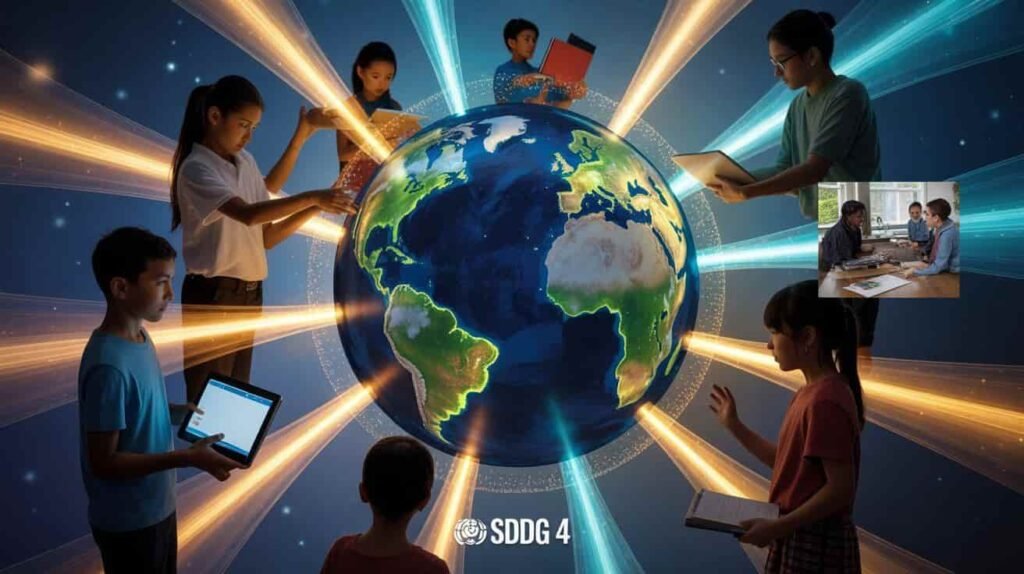
Governments are aligning with UN Sustainable Development Goals (SDG 4) to ensure inclusive and equitable education worldwide.
3. Life Skills and Vocational Training:
Future programs emphasize life skills, emotional learning, and career readiness, preparing students for independence.
4. Family and Community Partnerships:
Active involvement of parents and communities strengthens learner support both inside and outside school.
5. Evidence-Based Practices:
Data and research will guide interventions, ensuring that special education remains effective and accountable.
The next generation of special education in contemporary society will focus on inclusion through innovation, ensuring no learner is left behind.
FAQs
Q1: What is special education in contemporary society?
It’s a modern educational approach designed to meet the needs of students with disabilities through inclusive, individualized, and equitable teaching methods.
Q2: Why is special education important today?
It empowers learners, promotes equality, and builds inclusive communities where everyone has an opportunity to succeed.
Q3: How is special education implemented?
Through IEPs, resource rooms, inclusive classrooms, and assistive technologies that support each learner’s unique goals.
Q4: What challenges does it face?
Key challenges include limited funding, teacher shortages, stigma, and unequal access to educational opportunities.
Q5: What’s the future of special education?
The future lies in technology integration, global policy reforms, and stronger school-family partnerships promoting lifelong inclusion.
Conclusion
Special education in contemporary society is more than an educational practice—it’s a commitment to equality, dignity, and human potential. It transforms schools into inclusive spaces where all learners can thrive, regardless of ability.
While challenges such as funding, stigma, and access persist, ongoing innovation, policy support, and community involvement promise lasting progress.
By valuing diversity, we move closer to a world where education truly belongs to everyone—a society that celebrates differences as strengths