Learn how to prepare for college with smart tips for academics, finances, packing, and emotional readiness to start your college life strong.
Introduction
How to prepare for college is one of the most important questions every high school graduate faces. College is an exciting new chapter full of opportunities—but it also comes with challenges and responsibilities.
Preparing early helps you adjust smoothly to the academic, social, and financial changes ahead. This guide covers academic preparation, financial readiness, emotional strength, essential packing, and goal setting so you can step into college life with confidence.
Academic Preparation for College
Before entering college, ensure your academic skills are strong. College courses often demand greater independence, critical thinking, and consistency.
Tips for Academic Readiness:
- Review core subjects like math, science, and writing.
- Develop effective study habits using planners or digital tools.
- Learn note-taking and reading strategies that suit your learning style.
- Attend academic orientation programs to understand college-level expectations.
Pro Tip: Use apps like Notion or Google Calendar to organize assignments and study schedules efficiently.
Financial Readiness for College
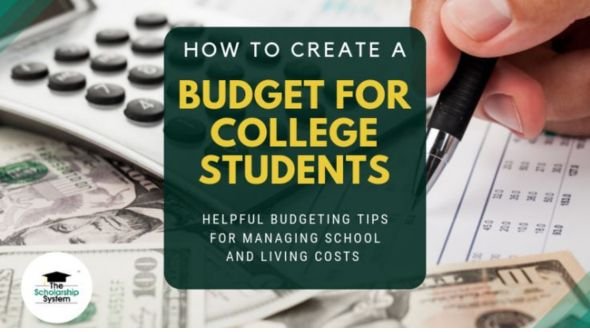
College life involves managing tuition, books, food, and living expenses. Financial preparation reduces stress and keeps you focused on studies.
College Expense Breakdown and Preparation Tips
| Category | Preparation Tips |
|---|---|
| Tuition & Fees | Apply for scholarships and financial aid early. |
| Books & Supplies | Buy used or digital books to reduce costs. |
| Room & Board | Compare dorm and off-campus housing options. |
| Transportation | Use student discounts or public transport. |
| Personal Expenses | Create and stick to a monthly spending plan. |
Smart Financial Tips:
- Apply for scholarships and financial aid as soon as possible.
- Open a student-friendly bank account.
- Track your spending using apps like Mint or YNAB.
- Avoid unnecessary debt—use credit cards wisely.
Emotional and Mental Preparation
Transitioning to college can bring excitement and anxiety. Emotional readiness helps you manage stress and stay balanced in your new environment.
Ways to Strengthen Emotional Readiness:
- Build independence by managing daily tasks like cooking or laundry.
- Embrace resilience—understand that failure is part of learning.
- Stay connected with family and friends who support you.
- Develop self-care routines such as meditation, exercise, or journaling.
Remember: Being mentally ready means staying flexible, open-minded, and confident in yourself.
Organizing College Paperwork and Logistics
Before move-in day, get your paperwork and essential details organized to avoid last-minute confusion.
Important Documents to Prepare:
- Admission and financial aid letters
- Medical and vaccination records
- Student ID, housing, and meal plan details
- Class schedule and course registration forms
- Emergency contacts
Preparation Tips:
- Keep digital and printed copies of all essential papers.
- Set up your college email and check it regularly.
- Review your campus map to locate dorms, libraries, and classrooms.
- Plan for move-in day early, including travel and packing details.
Developing Essential Life Skills
College life requires more than just academic knowledge—it’s about being capable of managing yourself independently.
Key Life Skills to Learn:
- Time Management: Plan daily schedules and set reminders.
- Communication Skills: Practice clear writing and public speaking.
- Cooking Basics: Learn easy, healthy meals to save money.
- Financial Awareness: Understand rent, bills, and savings.
- Self-Care: Prioritize rest, nutrition, and mental health.
Pro Tip: Join online skill-building workshops or webinars before the semester starts.
Packing Smart for College
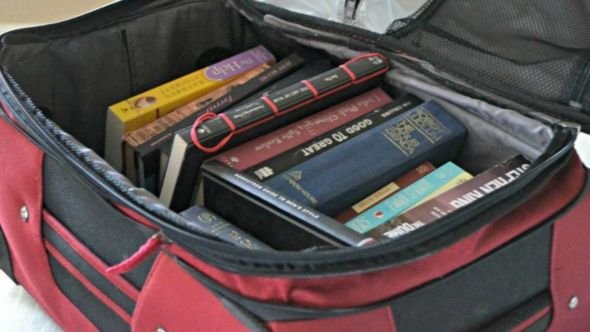
Packing efficiently ensures you have what you need without overcrowding your space. Focus on essential and practical items.
College Packing Checklist
| Category | Must-Have Items |
|---|---|
| Bedroom | Bedding set, pillow, mattress topper, lamp |
| Bathroom | Towels, toiletries, shower caddy, flip-flops |
| Study Supplies | Laptop, notebooks, pens, chargers |
| Kitchen | Reusable bottle, utensils, snacks |
| Clothing | Everyday wear, formal outfit, weather gear |
| Miscellaneous | First aid kit, laundry bag, reusable bags |
Packing Tip: Bring only essentials—you can buy extra items once you settle into campus life.
Exploring Campus Life
Familiarizing yourself with your new surroundings helps you feel more comfortable and confident from day one.
Campus Preparation Tips:
- Attend orientation programs to meet classmates and staff.
- Join clubs and societies that match your interests.
- Visit student support centers for tutoring or counseling.
- Connect with seniors to get valuable advice about courses and professors.
Fun Fact: Students who actively engage in campus life perform better academically and develop stronger social networks.
Setting Personal and Academic Goals
Having a clear vision helps you stay motivated and achieve success throughout college.
SMART Goal Setting Framework
| Goal Type | Example |
|---|---|
| Specific | Achieve a GPA of 3.5 by the end of freshman year |
| Measurable | Study 3 hours daily and attend all lectures |
| Achievable | Balance coursework with extracurriculars |
| Relevant | Focus on subjects related to your chosen major |
| Time-bound | Reassess goals at the end of each semester |
Goal Tip: Write your goals in a notebook or planner and track progress monthly to stay accountable.
Conclusion
Understanding how to prepare for college is about more than just packing boxes—it’s about building the mindset, skills, and organization that ensure long-term success.
From managing your finances and developing emotional strength to setting clear goals, every small step you take now will help you thrive once college begins.
Start early, plan wisely, and embrace the journey—because college isn’t just about learning from books, it’s about discovering who you are and what you can achieve.