Puerto Rico’s education system follows the U.S. model, offering free public schooling, bilingual instruction, and diverse higher education opportunities.
Structure of the Puerto Rico Education System
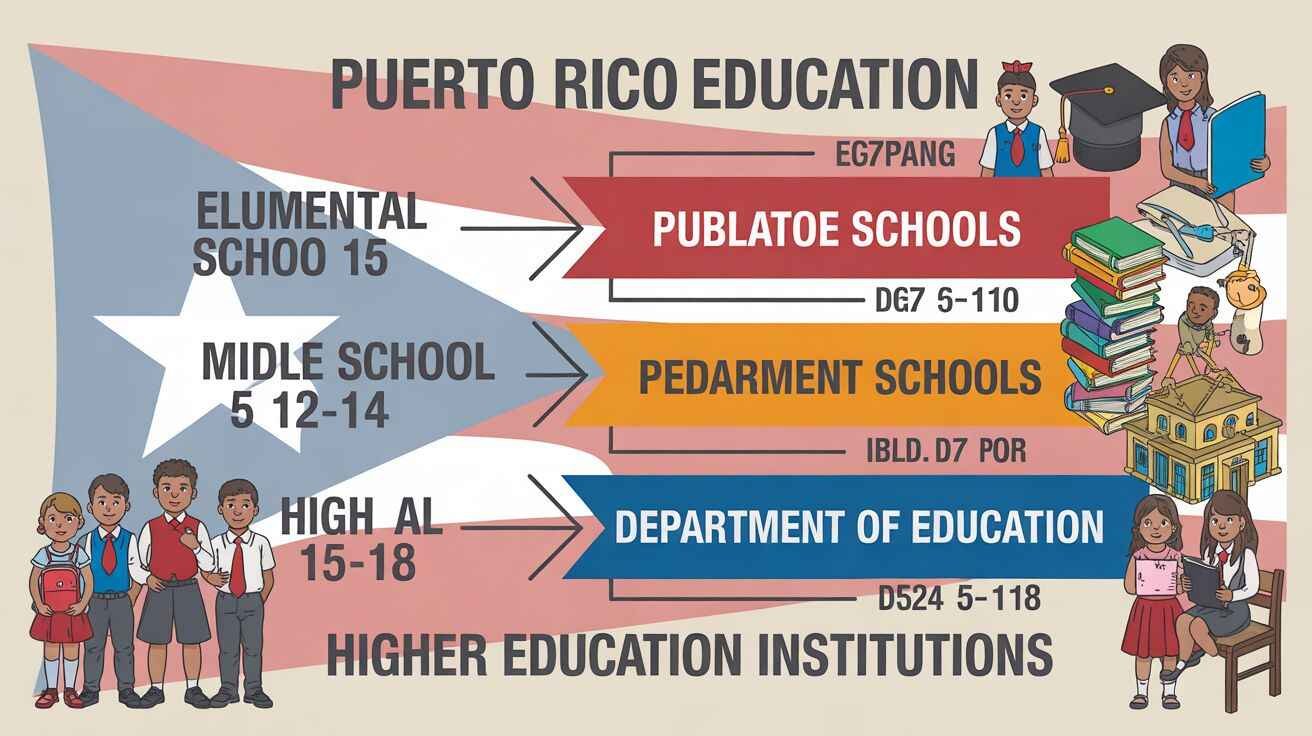
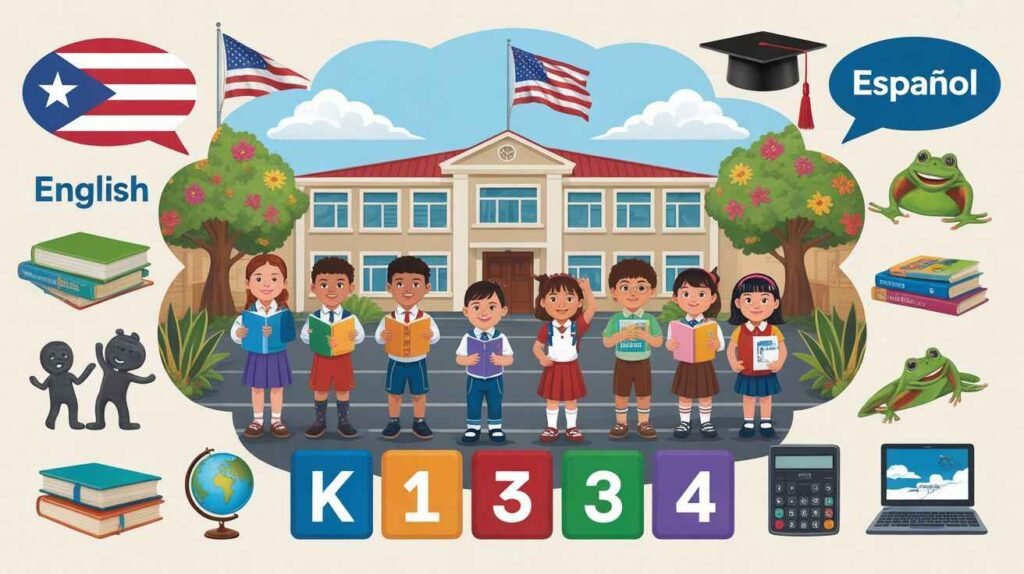
The education system in Puerto Rico mirrors the U.S. model, covering primary, secondary, and higher education under the Puerto Rico Department of Education (PRDE). Public schools provide free K–12 education, while private schools emphasize bilingual instruction in Spanish and English. Puerto Rico’s education system combines U.S. standards with local culture and bilingual learning for a balanced, inclusive model.
Current Trends and Statistics
Education in Puerto Rico has seen major shifts over the past decade. Student enrollment has declined due to migration and lower birth rates, leading to school consolidations after Hurricane Maria. Despite challenges, literacy and graduation rates remain strong, showing the system’s resilience.
Higher education institutions are adapting to offer more vocational training and online programs to match workforce demands. The average student–teacher ratio has improved as schools modernize and adopt digital learning tools. Puerto Rico’s education system continues to evolve, balancing declining enrollment with innovation and renewed academic focus.
| Aspect | Details |
|---|---|
| Recent Changes | Major shifts in the last decade due to migration, declining birth rates, and school consolidations after Hurricane Maria. |
| Enrollment Trends | Student enrollment has decreased significantly, leading to restructuring of public schools. |
| System Resilience | Despite challenges, literacy and graduation rates remain strong, reflecting the system’s adaptability. |
| Higher Education | Universities now emphasize vocational training and online learning to meet modern workforce needs. |
| Student–Teacher Ratio | Improved over time as schools modernize and adopt digital education tools. |
| Overall Outlook | Puerto Rico’s education system continues evolving—balancing lower enrollment with innovation and academic focus. |
Major Challenges in Education in Puerto Rico
The education system in Puerto Rico faces ongoing challenges tied to economic hardship, natural disasters, and infrastructure decay. School closures after hurricanes and earthquakes disrupted learning for thousands of students. Funding shortages and teacher migration have strained the system further, leaving many schools understaffed. Puerto Rico’s education system struggles with funding, infrastructure, and teacher shortages—but continues to rebuild through resilience and reform.
Educational Reforms and Government Initiatives
To strengthen education in Puerto Rico, the government has launched several initiatives focusing on modernization and access. Programs aim to improve digital learning, rebuild damaged schools, and raise teacher pay. The Department of Education is also emphasizing bilingual education and curriculum alignment with U.S. standards to prepare students for global opportunities. Government reforms in Puerto Rico focus on rebuilding schools, improving teacher conditions, and expanding digital and bilingual education.
Higher Education in Puerto Rico
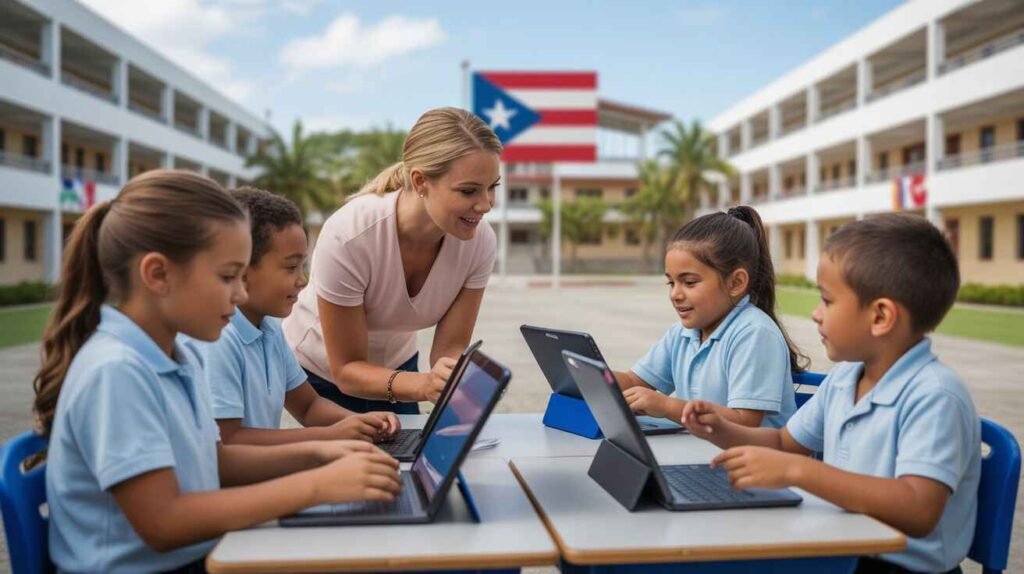
Higher education in Puerto Rico offers diverse opportunities through its public and private universities. The University of Puerto Rico (UPR) system is the largest, providing programs in science, engineering, medicine, and humanities. Many institutions also offer bilingual or English-based degrees to attract international students.
Higher education plays a vital role in Puerto Rico’s economy, preparing graduates for global careers while supporting local innovation and research. Puerto Rico’s higher education system blends local excellence with global opportunities through quality, bilingual programs.
Challenges Facing the Education System in Puerto Rico
Education in Puerto Rico faces ongoing challenges such as limited funding, school closures, and teacher shortages. Natural disasters and economic instability have also disrupted learning environments. Despite these obstacles, educators and policymakers are working to modernize curricula, improve digital access, and enhance teacher training.
The biggest hurdle is ensuring equal educational opportunities for students across urban and rural areas. Puerto Rico’s education system strives to overcome financial and structural challenges to ensure equal learning opportunities for all.
| Aspect | Details |
|---|---|
| Main Challenges | Limited funding, school closures, and teacher shortages. |
| External Factors | Natural disasters and economic instability disrupting schools and learning. |
| Ongoing Efforts | Modernizing curricula, expanding digital access, and improving teacher training. |
| Equity Concerns | Ensuring equal educational opportunities for both urban and rural students. |
| Overall Goal | Overcome financial and structural barriers to provide quality education for all students in Puerto Rico. |
The Role of Technology and Innovation in Education
Technology is transforming education in Puerto Rico, creating new opportunities for learning and collaboration. Digital tools, online platforms, and virtual classrooms have made education more accessible, especially after the pandemic. Schools are integrating technology to support STEM education and digital literacy.
However, bridging the digital divide remains a major priority, as not all students have equal access to devices or reliable internet. Technology is revolutionizing education in Puerto Rico, but equal digital access remains key to progress.
Future Outlook for Education in Puerto Rico
The future of education in Puerto Rico looks promising, with growing emphasis on equity, technology, and teacher development. Reforms aim to modernize schools, update curricula, and strengthen bilingual education to prepare students for global opportunities.
Public-private partnerships are also emerging to improve infrastructure and expand access to quality learning. Sustained investment and innovation will be crucial in building an inclusive and resilient education system for the next generation. Puerto Rico’s education future depends on continuous innovation, equity, and investment in teachers and students.
Challenges and Opportunities in Puerto Rico’s Education System
Puerto Rico’s education system faces both obstacles and opportunities. Limited funding, school closures, and teacher shortages remain key challenges, especially after natural disasters and economic shifts. However, these issues also drive reform and innovation.
Efforts to integrate technology, bilingual instruction, and vocational training are helping students gain 21st-century skills. By addressing systemic gaps and fostering innovation, Puerto Rico can transform challenges into lasting progress. Challenges in Puerto Rico’s education system can become opportunities for innovation and lasting educational reform.
Future Outlook of Education in Puerto Rico
The future of education in Puerto Rico looks promising with ongoing reforms and modernization. Investments in digital learning, teacher training, and curriculum development are improving access and quality. There’s also a strong push toward bilingual education to prepare students for global opportunities.
Collaboration between the government, private institutions, and international partners is key to sustaining progress. With continued innovation and support, Puerto Rico’s education system can evolve into a model of resilience and excellence. Puerto Rico’s education future depends on innovation, collaboration, and a commitment to global learning.
Challenges and Opportunities in Puerto Rico’s Education System
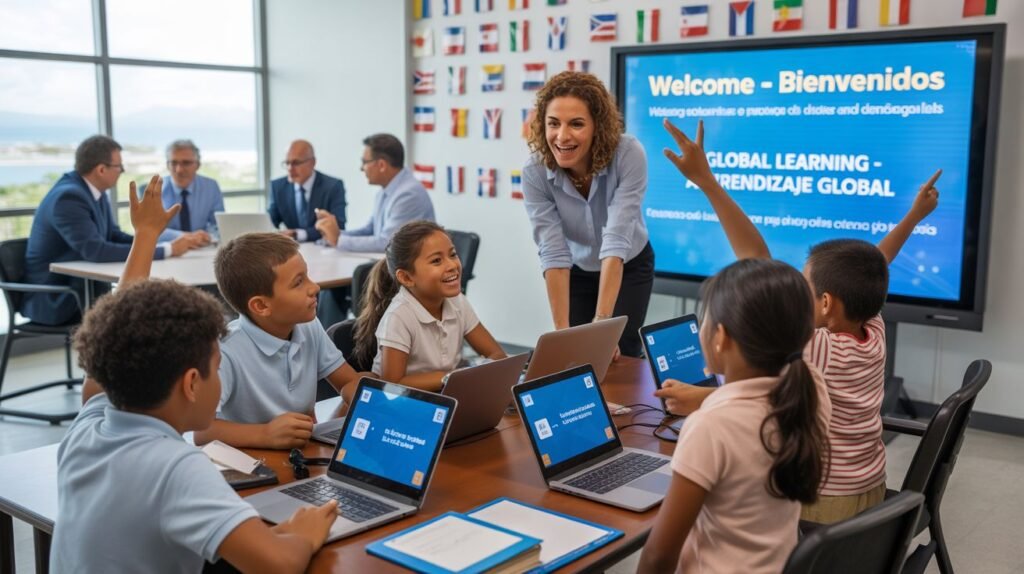
Puerto Rico’s education system faces challenges such as limited funding, outdated infrastructure, and teacher shortages. Rural schools often struggle with access to technology and resources, creating learning gaps. However, these challenges also open doors for innovation.
Opportunities like digital learning platforms, public-private partnerships, and STEM education can drive meaningful reform. By addressing these issues strategically, Puerto Rico can transform its education system into one that is inclusive, modern, and globally competitive. Challenges can become opportunities when Puerto Rico invests in innovation and equitable access to education.
The Future of Education in Puerto Rico
The future of education in Puerto Rico depends on innovation, equity, and community involvement. With growing investment in bilingual education, technology, and teacher training, the island is working toward a more resilient and modern learning system.
Educational reforms are also emphasizing entrepreneurship, digital literacy, and cultural awareness to prepare students for global opportunities. If these efforts continue, Puerto Rico’s education system can become a model of transformation and sustainability in the Caribbean region. Puerto Rico’s educational future lies in innovation, equity, and preparing students for a globalized world.
Challenges and Opportunities Ahead
Education in Puerto Rico faces both challenges and opportunities for growth. Economic constraints, natural disasters, and migration have impacted school resources and student retention. However, new initiatives in digital learning, bilingual programs, and community-based education are paving the way for improvement.
By investing in infrastructure, teacher development, and student support, Puerto Rico can overcome these obstacles and build a more resilient education system. Collaboration between government, educators, and families will be key to lasting progress. Puerto Rico’s education system can thrive through innovation, investment, and community collaboration.
Future Outlook of Education in Puerto Rico
The future of education in Puerto Rico looks promising as reforms aim to modernize learning and expand equal access. With growing emphasis on technology integration, bilingual instruction, and career-focused programs, students are better prepared for global opportunities.
Government initiatives and private partnerships are driving improvements in school infrastructure and curriculum design. If these efforts continue, Puerto Rico’s education system could become a model of innovation and resilience in the Caribbean. Education in Puerto Rico is evolving toward a more modern, inclusive, and globally competitive system.
The Role of Technology in Puerto Rican Education
Technology is transforming education in Puerto Rico by bridging learning gaps and promoting digital inclusion. Schools are integrating online tools, smart classrooms, and e-learning platforms to enhance student engagement and access to resources.
These advancements allow students in both urban and rural areas to learn efficiently and stay connected globally. By embracing digital education, Puerto Rico is building a tech-savvy generation equipped for the demands of the modern world. Digital innovation is reshaping Puerto Rican education, making learning more accessible and future-ready.
Importance of Bilingual Education in Puerto Rico
Bilingual education plays a vital role in shaping well-rounded learners in Puerto Rico. With both Spanish and English as key languages, students gain cultural versatility and broader career opportunities.
Bilingual programs strengthen communication skills, enhance global competitiveness, and open doors to international education and employment. This dual-language approach not only preserves Puerto Rican identity but also connects students to the wider world. Bilingual education empowers Puerto Rican students to thrive locally and compete globally.
Teacher Training and Professional Development
Teachers are the backbone of education in Puerto Rico, and their training is crucial for student success. Continuous professional development programs help educators adopt modern teaching methods, integrate technology, and improve classroom outcomes.
Investing in teacher training ensures quality education and boosts morale among educators. By empowering teachers with the right skills and resources, Puerto Rico can strengthen its entire educational foundation. Empowered and well-trained teachers are essential to improving education quality in Puerto Rico.
Community Involvement in Puerto Rican Education
trong community involvement is key to improving education in Puerto Rico. Parents, local leaders, and organizations play active roles in supporting schools, mentoring students, and advocating for better resources.
Collaborative efforts help address attendance, funding, and student engagement challenges. When communities and schools work together, education becomes more meaningful, inclusive, and effective for every learner. Active community participation strengthens Puerto Rico’s education system and student success.
Government Initiatives to Improve Education in Puerto Rico
The Puerto Rican government has launched several initiatives to modernize and strengthen its education system. Programs focus on upgrading school infrastructure, integrating digital tools, and ensuring equal access to quality learning.
Efforts like teacher training, curriculum reform, and disaster recovery funding aim to build resilience and sustainability. These initiatives reflect a long-term commitment to empowering students and creating a stronger educational future. Government reforms are driving progress toward a more equitable and resilient education system in Puerto Rico.
Higher Education Opportunities in Puerto Rico
Puerto Rico offers a range of higher education opportunities that prepare students for both local and global careers. Universities such as the University of Puerto Rico and Inter American University provide diverse programs in science, business, and the arts.
These institutions emphasize research, innovation, and bilingual learning, helping graduates stay competitive worldwide. Higher education in Puerto Rico continues to be a powerful engine for personal and economic growth. Puerto Rico’s universities empower students with global skills and lifelong learning opportunities.
FAQs
Q1: How is the education system structured in Puerto Rico?
The education system in Puerto Rico follows the U.S. model with elementary, secondary, and higher education levels. It includes public, private, and bilingual schools, all overseen by the Puerto Rico Department of Education.
Q2: Is education in Puerto Rico free?
Yes, public education is free for all students from kindergarten through high school. Public universities also offer affordable tuition rates, making higher education accessible to many.
Q3: What language is used for teaching in Puerto Rico?
Most schools teach primarily in Spanish, but English is introduced early as a second language. Some schools offer bilingual or English-immersion programs for global readiness.
Q4: What challenges does Puerto Rico’s education system face?
The main challenges include limited funding, infrastructure damage from natural disasters, and teacher shortages. However, ongoing reforms and community support are driving positive change.
Q5: What are the top universities in Puerto Rico?
Top institutions include the University of Puerto Rico, Inter American University, and Pontifical Catholic University of Puerto Rico, all known for their academic excellence and research contributions