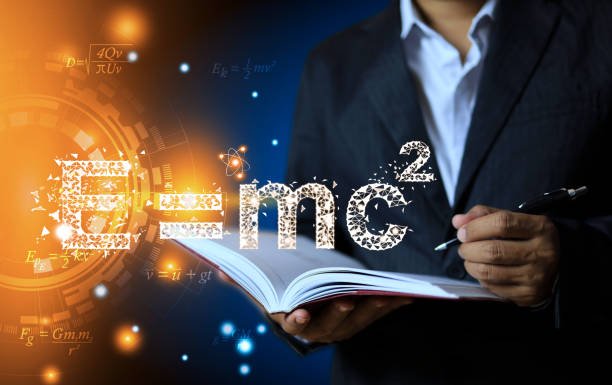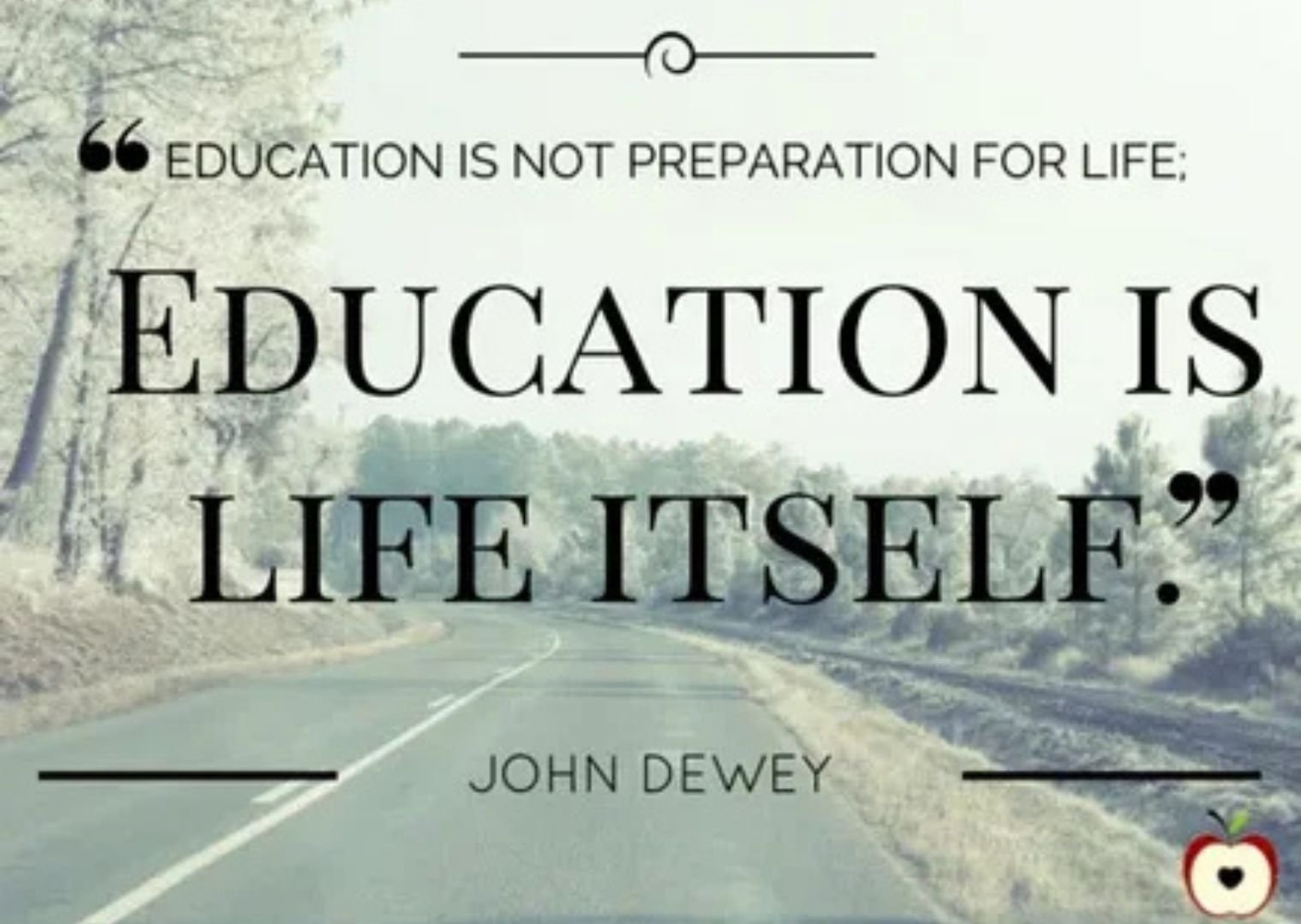
Education is life itself means that learning is not confined to classrooms—it happens every day, through our experiences, challenges, and interactions. It’s a lifelong process that shapes our values, decisions, and growth.
Education goes beyond academics; it teaches us how to live meaningfully, think critically, and contribute to society. In essence, to live is to learn—and to learn is to live.
Education Is Life Itself — The True Meaning Behind the Phrase
The phrase “education is life itself” captures the heart of what it means to truly learn and grow. Coined by philosopher John Dewey, it challenges the idea that education only happens in classrooms or through textbooks. Instead, Dewey believed that learning continues every moment we live — through experiences, relationships, and reflections.
Education, in this sense, is not just preparation for future success; it’s the very process of living meaningfully. Each interaction, mistake, and discovery adds to our understanding of the world. From early childhood to adulthood, we keep learning — adapting to new ideas, improving our perspectives, and shaping our character.
In today’s fast-changing world, Dewey’s insight feels more relevant than ever. Recognizing that education and life are inseparable encourages us to approach every experience with curiosity, mindfulness, and a desire to grow.
John Dewey’s View — Education as a Lifelong Journey
John Dewey, one of the most influential thinkers in modern education, believed that learning never truly ends. His philosophy that “education is life itself” reflects the idea that education isn’t confined to schools but woven into every aspect of living. Dewey emphasized that real education happens through experience — observing, doing, and reflecting.
He argued that traditional education focused too much on rote learning and not enough on developing critical thinking and problem-solving skills. In Dewey’s view, life itself is a classroom, where every situation teaches us something new. Whether through personal challenges, social interactions, or hands-on experiences, each moment contributes to our growth.
This lifelong approach to learning encourages adaptability and curiosity — two qualities essential for success in a rapidly changing world. Dewey’s philosophy reminds us that education doesn’t end with graduation; it evolves with every stage of life.
The Connection Between Education and Experience
| Aspect | Explanation | Example / Impact |
|---|---|---|
| Relationship Between Education and Experience | Education and experience complement each other, shaping how we understand and navigate the world. | Knowledge from education becomes wisdom through lived experiences. |
| Dewey’s Perspective | John Dewey’s quote “education is life itself” emphasizes that learning continues beyond the classroom. | Learning occurs continuously through real-life experiences. |
| Learning Through Experience | Everyday challenges and interactions deepen understanding more than textbooks alone. | Real-world problem-solving, communication, and teamwork enhance learning. |
| Transformation of Knowledge | Experience gives context to theory, turning information into meaningful insight. | Applying what we learn builds practical understanding and adaptability. |
| Life Lessons from Experience | Each experience contributes to personal growth and emotional intelligence. | Teamwork fosters collaboration, failure builds resilience, and success teaches gratitude. |
The Role of Education in Shaping Life and Society
Education plays a transformative role not only in individual lives but also in shaping societies. The belief that education is life itself highlights its power to mold values, inspire innovation, and promote social progress. Through education, people learn to think critically, communicate effectively, and make informed decisions that influence both personal and collective well-being.
Beyond textbooks and classrooms, true education cultivates empathy, discipline, and moral responsibility. It empowers individuals to contribute meaningfully to their communities — whether by creating solutions to modern challenges or fostering understanding across cultures. When education nurtures both intellect and character, it leads to more compassionate, equitable societies.
In this sense, education is more than preparation for life; it is life in motion — a continuous process that shapes our identity, purpose, and the world we build together.
Practical Applications of Dewey’s Educational Philosophy
| Aspect | Explanation | Example / Impact |
|---|---|---|
| Core Idea of Dewey’s Philosophy | John Dewey believed that education is life itself, emphasizing experiential learning over rote memorization. | Learning should come from doing, exploring, and engaging with real-world experiences. |
| Real-World Learning | Education becomes meaningful when linked to everyday life and community engagement. | For instance, students studying environmental science may participate in local sustainability projects. |
| Role of Teachers | Teachers act as facilitators who guide inquiry, reflection, and exploration rather than simply delivering facts. | This approach fosters curiosity, independence, and deeper understanding. |
| Lifelong Learning Beyond School | Dewey’s philosophy extends beyond classrooms, encouraging continual personal and professional growth. | Through self-reflection and adaptation, individuals keep learning throughout life. |
The Role of Education in Society
Education plays a central role in shaping society by nurturing informed, responsible, and compassionate citizens. It promotes critical thinking, empathy, and social awareness—qualities essential for collective progress. Through education, individuals learn not only academic knowledge but also moral and civic values that strengthen communities.
When John Dewey said “education is life itself,” he emphasized that education and society are deeply interconnected. Schools, families, and communities all act as learning environments where individuals grow and contribute to social harmony. A well-educated society is better equipped to tackle challenges like inequality, environmental issues, and global cooperation. Ultimately, education empowers individuals to transform both themselves and the world around them.
Education and Personal Growth
Education is not just about academic success — it’s a lifelong process that shapes who we are. When John Dewey said, “Education is life itself,” he implied that learning is woven into every experience we have. From childhood curiosity to adult reflection, each lesson builds our understanding, resilience, and character.
Formal education equips us with knowledge, but personal growth happens when we apply what we learn in real life. Through challenges, mistakes, and discoveries, we develop self-awareness and wisdom. Emotional intelligence, empathy, and problem-solving are all byproducts of meaningful learning.
Whether through books, mentors, or experiences, education teaches us how to think critically and live purposefully. It helps us find direction, adapt to change, and contribute meaningfully to society — proving that education truly is life in motion.
FAQs About “Education Is Life Itself”
1. What does “Education is life itself” mean?
The phrase by John Dewey means that education isn’t just preparation for life—it is life. Learning happens continuously through experiences, relationships, and challenges, shaping who we are every day.
2. Why is education important beyond school?
Education extends beyond classrooms because life itself is a learning journey. Every interaction, success, and failure teaches lessons that develop emotional intelligence, adaptability, and wisdom.
3. How does education shape society?
Education fosters informed citizens who can think critically, solve problems, and make ethical decisions. It builds stronger communities and drives social progress by encouraging empathy, equality, and innovation.
4. Is lifelong learning necessary in modern times?
Absolutely. In today’s fast-changing world, lifelong learning helps individuals stay relevant, open-minded, and resilient—whether in careers, relationships, or personal development.
References
- Dewey, John. Democracy and Education: An Introduction to the Philosophy of Education. Macmillan, 1916.
- Freire, Paulo. Pedagogy of the Oppressed. Continuum, 1970.
- UNESCO. (2024). The Role of Education in Sustainable Development. Retrieved from https://www.unesco.org
- OECD. (2023). The Future of Education and Skills 2030. Retrieved from https://www.oecd.org/education
- Dewey, John. Experience and Education. Simon & Schuster, 1938.
- Brookfield, Stephen D. Becoming a Critically Reflective Teacher. Jossey-Bass, 2017.
- National Education Association (NEA). (2022). Why Lifelong Learning Matters. Retrieved from https://www.nea.org