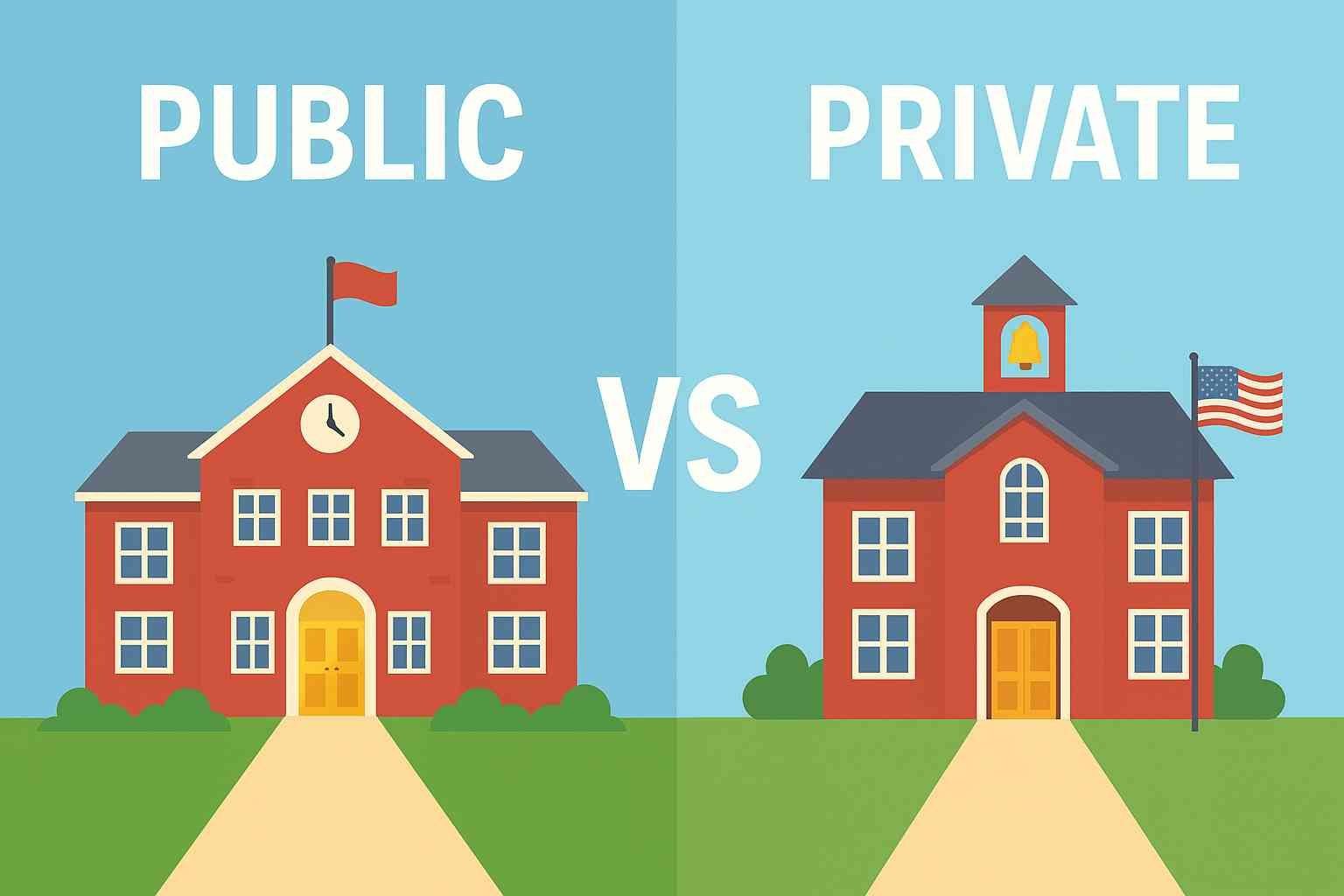
The key difference between public and private education is how they’re funded and managed. Public schools offer free access for all, while private schools charge tuition and provide customized learning environments.
Understanding the difference between public and private education helps families make informed choices about their children’s schooling. Whether you’re exploring tuition, class size, or student outcomes, knowing how public education and private education compare can clarify what matters most for your child’s academic journey and personal growth.
What Defines Public vs Private Education?
Public and private education differ primarily in their funding, governance, and accessibility. Public schools are financed by government sources—local, state, or federal—and provide free education to all students within their districts. They follow standardized curricula set by education boards and are accountable to public authorities, ensuring equal access regardless of socioeconomic background.
In contrast, private schools are independently funded through tuition fees, donations, and endowments. This financial independence allows them to design their own curricula, teaching methods, and admission criteria. Private institutions often emphasize smaller class sizes, specialized programs, and individualized learning experiences.
While public education focuses on inclusivity and standardized learning, private education often highlights exclusivity and tailored academic opportunities. The choice between the two depends on factors like cost, learning environment, academic goals, and personal values. Ultimately, both systems aim to provide quality education but approach it through different frameworks and philosophies.
Key Differences: Funding, Governance & Admissions
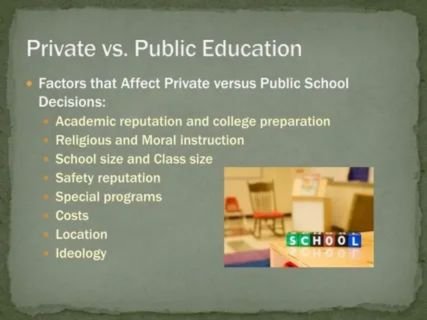
The key differences between public and private education primarily center on funding, governance, and admissions policies. Public schools are financed and managed by government bodies—either at the local, state, or federal level—making them accessible to all students without tuition fees.
Their funding comes largely from taxes, which ensures inclusivity but may also limit resources depending on district budgets. In contrast, private schools operate independently, relying on tuition fees, donations, and endowments for funding. This financial autonomy often allows them to offer smaller class sizes, specialized programs, and enhanced facilities.
Governance also differs significantly—public schools follow government-mandated curricula and policies, while private institutions have greater flexibility in designing academic programs and teaching methods. Admissions processes reflect this distinction as well; public schools must accept students within their district, whereas private schools can set selective criteria based on academics, interviews, or religious affiliation, giving them more control over their student body.
Academic Environment & Student Experience
The academic environment and student experience vary greatly between public and private education systems. Public schools typically serve diverse student populations, fostering inclusivity and exposure to different cultural, social, and economic backgrounds.
However, class sizes may be larger, and resources—such as extracurricular programs or advanced courses—can differ based on funding availability. Teachers in public schools must follow standardized curricula and testing requirements, which can sometimes limit flexibility in teaching methods.
Private schools, on the other hand, often emphasize personalized learning environments with smaller class sizes and closer teacher-student relationships. They may offer enriched academic programs, such as International Baccalaureate (IB), advanced placement courses, or specialized arts and science tracks.
The extracurricular experience also tends to be more extensive, encouraging leadership, creativity, and critical thinking. While public schools provide broad access and diversity, private schools often focus on tailored learning experiences that nurture individual potential and academic excellence.
Cost, Value & Outcomes for Students
When comparing cost, value, and outcomes between public and private education, it’s essential to look beyond just tuition fees. Public schools are typically funded by the government, offering free or low-cost education, making them more accessible to families from diverse backgrounds.
On the other hand, private schools often come with higher tuition but may provide smaller class sizes, advanced facilities, and more personalized attention. However, higher cost doesn’t always guarantee better outcomes — success largely depends on the quality of teaching, parental involvement, and a student’s motivation.
Many public school graduates perform exceptionally well in universities and careers, proving that affordability doesn’t limit achievement. Ultimately, the value of education lies in how effectively it prepares students for real-world challenges, fosters critical thinking, and builds confidence — whether the path is public or private.
How to Choose Between Public and Private Education
| Factor | Public Education | Private Education | What to Consider |
|---|---|---|---|
| Cost | Funded by the government; tuition-free for residents. | Funded by tuition fees, donations, and endowments; can be costly. | Evaluate your financial situation and long-term affordability. |
| Curriculum | Follows state or national standards; less flexibility. | Often offers specialized or advanced programs (IB, STEM, Arts). | Consider your child’s learning style and academic interests. |
| Class Size | Larger class sizes; less individual attention. | Smaller classes; personalized instruction. | Smaller classes can support focused learning and confidence. |
| Diversity | Reflects a wide range of socioeconomic and cultural backgrounds. | May have limited diversity based on admissions criteria. | Exposure to diverse perspectives enhances social learning. |
| Facilities & Activities | Depends on local funding; may vary widely. | Often better-funded extracurricular and academic resources. | Choose based on available programs and your child’s goals. |
FAQs About Public vs Private Education
Q1: Is private school always better than public school?
No. While private schools may offer smaller classes and specialized programs, public schools provide broad access and diverse experiences. The right choice depends on your student’s needs and the specific school’s quality.
Q2: Are public schools less expensive?
Yes. Public schools are mainly funded by the government and typically require no tuition for local students. Private schools charge tuition and rely on independent funding sources.
Q3: Does private education guarantee better outcomes?
Not necessarily. Outcomes depend on various factors including student motivation, family support, and school quality. School type is only one part of the equation.
Q4: Can a public school offer flexibility like private schools?
Some can. Many public schools, especially charter and magnet programs, provide specialized curricula and innovative teaching—though they may still differ in funding and governance.
Q5: How should I decide between public and private education for my child?
Consider the fit. Compare values, budget, curriculum, teacher-student ratio, and support services. Choose a school where your child can thrive academically, socially, and personally.
References
- U.S. Department of Education, & National Center for Education Statistics. (1997). Public and Private Schools: How Do They Differ? NCES 97-983. nces.ed.gov
- The International School of Denver. (n.d.). The Difference Between Private Schools and Public Schools. isdenver.org
- BestColleges. (2023). Private vs Public Colleges: What’s the Difference? Bestcolleges.com
- PrivateSchoolVillage.org. (n.d.). Private School vs Government School | Advantages & Disadvantages. privateschoolvillage.org
- Diffen. (n.d.). Private School vs Public School – Difference and Comparison. diffen.com