Introduction: Save the Secrets of Smart Exam Success Strategies
Do you want to improve your grades but do not want to be overwhelmed? Do you want examinations to be less stressful and more rewarding? You’re not alone! Any student, whether he is a student in school or a university student, wishes to understand the formula for achieving a good score without much effort.
This can be solved by the adoption of appropriate strategies for exam success. When you are smart, and not merely hard, you can achieve maximum outcomes, reduce stress, and have fun with your courses.
In this paper, we shall explore the best exam-winning tips. We will discuss the effective methods of studying, healthy living, and easy everyday activities that can make you the best of the best. These strategies are all-inclusive, whether you are doing your first major test or you are targeting the best grades in the competitive examinations.
The importance of Exam Success Strategies
Good studying techniques to pass the exams offer a blueprint to success. Rather than cramming at the last minute and getting up at dawn, a smart strategy will enable you to:
- Master concepts.
- Retain information longer
- Maintain self-possession when stressed.
- Being able to relax and balance.
- We are going to consider methods that can help to change the way you study.
Table 1: Quick Glance—Top Exam Success Strategies
| Strategy | Benefit | How to Get Started |
| Make a study plan | Organized preparation | Set daily/weekly goals |
| Practice active recall | Stronger memory retention | Quiz yourself on key facts |
| Use spaced repetition | Better long-term learning | Review regularly over time |
| Try group study | Clarify doubts, motivation | Discuss with classmates |
| Stay healthy | Improved focus & energy | Sleep well, eat healthy |
The Art of Studying Planning
Set Clear, Realistic Goals
Begin by finding out what it is you should study and divide it into small parts. Specific objectives make you see where you are and keep you going. List them and cross out every task when you are done with it.
Design a Customized Study Plan
Exam success depends on a good timetable of study. Give yourself time on each subject depending on your weaknesses and strengths. You have a plan, but remember to have flexibility in case you need to change it and make revisions.
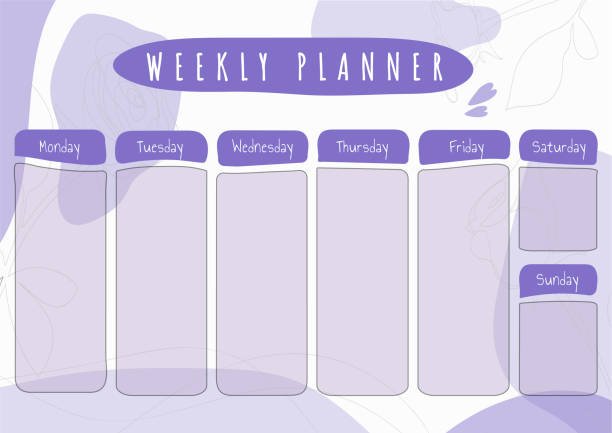
Table 2: Sample Weekly Study Planner
| Day | Morning Focus | Afternoon Session | Evening Review |
| Monday | Math exercises | Science concepts | Language reading |
| Tuesday | History notes | Math problems | Science revision |
| Wednesday | English practice | Social studies | Math flashcards |
| Thursday | Science quizzes | Language skills | History timeline |
| Friday | Past exam papers | Group discussion | Free revision |
| Saturday | Practice tests | Review weak areas | Relax & reflect |
| Sunday | Light review | Rest & recreation | Plan next week |
Good Study Skills to Pass Exams
Practice Active Recall
Quiz yourself on what you have learned instead of simply reading or emphasizing. Cover and attempt to remember important points. This is one of the best techniques that enables one to remember andis one of the surest methods of exam success.
Use Spaced Repetition
Do not leave all your revision to the eve before the exam. Study content at intervals- it is easier to remember what you studied. Technologies such as flashcards or spaced repetition apps can be of good assistance.
Mix Study Techniques
Integrate reading, taking notes, educating others and utilizing digital materials. Diversity keeps your mind active and accommodates the style of learning.
3: Best Study Tools and Their Benefits
| Tool/Technique | What It Does | Suitable For |
| Flashcards | Quick, repeated review | Vocabulary, formulas |
| Mind maps | Visualizes complex ideas | Science, history |
| Practice questions | Simulates exam conditions | All subjects |
| Study apps | Organize & schedule revision | Time management |
| Group study | Discuss and clarify concepts | Difficult topics |
Make Sleep and Nutrition Priority

Your brain requires relaxation and energy to perform optimally. Strive to have 7-8 hours of sleep, particularly in exams. Consume balanced meals that are high in protein, fruits, and vegetables. Do not take too much sugar or caffeine- they lead to energy crashes.
Take Regular Breaks
Taking hours and studying without a break results in burnout. Experiment with the Pomodoro Technique: work on 25 minutes and then have a break of 5 minutes. Breaks make you stay focused and minimize feelings of fatigue.
Mindfulness Stress Management
It is normal to be anxious before exams. Breath deeply, do some light exercise or meditate to relax your mind. Positive attitude is an invisible enhancement to the success of the exam.
Intelligent Test-Taking Strategies
Arrive Prepared
You have to pack your bag the night before with all you will need: pens and pencils, calculator, ID, and water. Get there early and save the last minute cases.
Reading Instructions Carefully
Read through all the instructions on the exam paper in a minute. This will save time and prevent mindless errors as it defines what is needed.
Plan Your Time
Scan the paper on the fly and determine the amount of time to spend on each section. The easy questions should be answered first in order to develop confidence and then the difficult questions. Get lost, go on and return later.
Pitfalls of the Common Exam
- Last minute cramming: Cause of stress and low retention.
- Shunning difficult topics: Vote on weak topics to get high grades.
- Missing normal reviews: Revision is a major success factor in exams.
- Lack of self-care: This will be counterproductive to getting hard work.
Quick Exam Day Checklist
- Get a good night’s sleep
- Eat a healthy breakfast
- Report to the exam center in time.
- Bring in all materials needed.
- First, read the whole paper.
Conclusion: Unlock Your Future: The Strategies to Exam Success.
Getting the best grades is not necessarily a matter of working harder; it is a question of working smarter. These exam success tips will help you to be much more confident, less stressed, and do better on exams. It should be kept in mind that each person has an individual learning style. Experiment, be consistent, and trust in yourself.
It starts with little steps taken on a daily basis as well as the right attitude towards academic excellence. These strategies are not a one-time event, and the difference cannot be felt only at the level of your grades, but also in your self-confidence and pleasure in learning. Lucky- you have begun your story of success!