Online learning vs traditional learning both have strengths. Online learning is flexible, accessible, and affordable, while traditional classrooms offer structure, interaction, and instant feedback. Choose based on your environment, discipline, and goals. Many learners succeed with a mix of both. Pick the mode that maximizes learning, engagement, and growth.
Online Learning vs Traditional Learning
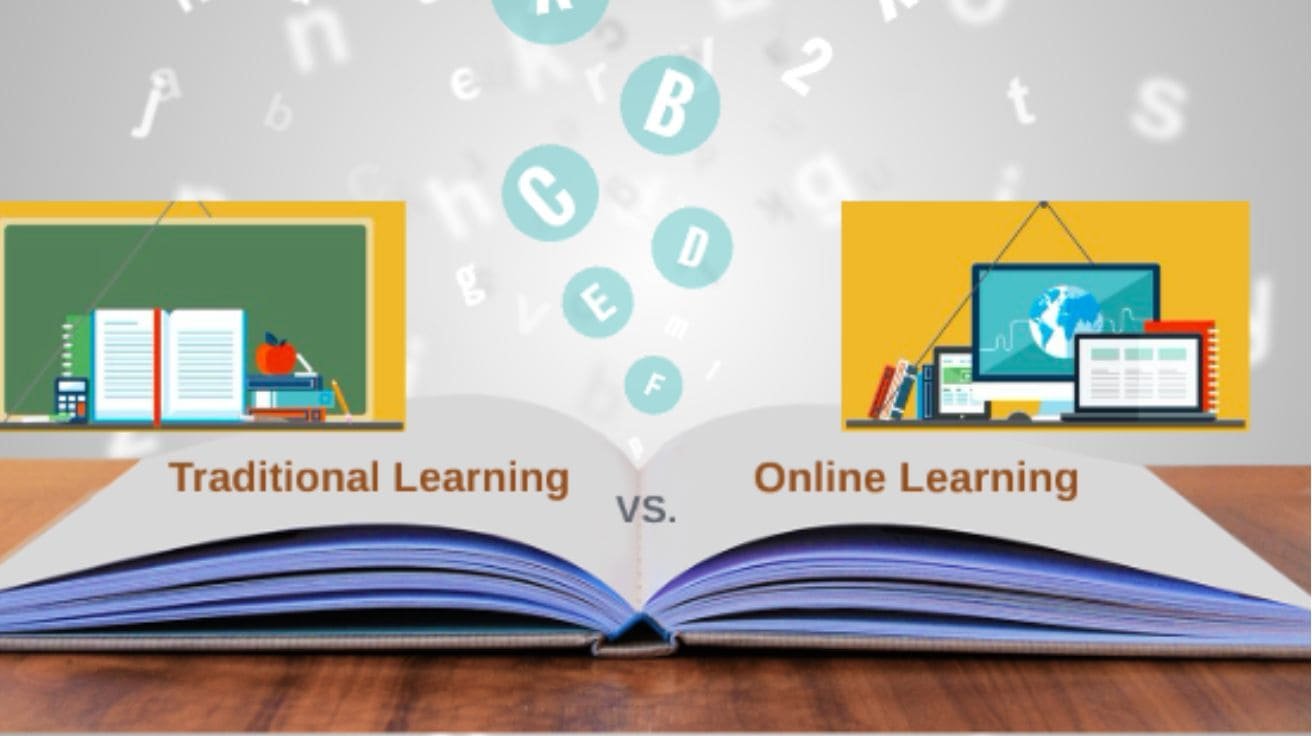
Education today comes in many forms, but the most common debate is online learning vs traditional learning.
Both methods offer unique advantages and challenges, and understanding these differences can help learners choose the right path.
Online learning, including e-learning and virtual classrooms, provides flexibility and accessibility, while traditional classroom learning offers structured environments and direct interaction.
Choosing the right mode depends on your learning style, career goals, and lifestyle. Let’s explore both in detail.
Understanding Online Learning
Online Learning
Online learning refers to courses delivered via the internet, either asynchronously or synchronously. Platforms like e-learning portals allow students to learn at their own pace, making it ideal for working professionals or those balancing multiple commitments
. Key benefits include flexibility, self-paced learning, and wide access to resources. Modern technological tools in online learning, such as video lectures and discussion forums, enhance engagement.
Studies show that students appreciate remote learning for its convenience without sacrificing learning outcomes when compared to traditional methods.

Exploring Traditional Classroom Education
What Is Traditional Learning?
Traditional learning, or in-person education, involves face-to-face instruction in a classroom. Students benefit from structured schedules, direct instructor interaction, and real-time feedback.
Social engagement and peer collaboration foster communication skills and deeper understanding. Challenges include less flexibility, commuting, and often higher costs compared to online alternatives.
Many learners prefer classroom learning for its immersive environment, which encourages discipline and focus. Despite the rise of online platforms, in-person education remains essential for hands-on experiences and practical skill development.

Pros & Cons of Online Learning
Advantages
- Flexibility: Learn anytime, anywhere.
- Affordability: Lower tuition and no commuting costs.
- Accessibility: Reach global courses and resources.
- Self-Paced Learning: Adjust your pace for better comprehension.
Disadvantages
- Requires Discipline: Motivation is key for success.
- Potential Isolation: Limited face-to-face interaction.
- Technical Barriers: Access to reliable technology is necessary.
Online learning is effective when learners actively engage with virtual classrooms, discussion forums, and digital resources to maintain student engagement.
Pros & Cons of Traditional Learning
Advantages
- Structured Environment: Helps maintain focus.
- Immediate Feedback: Instructors guide learners directly.
- Social Interaction: Collaborate with peers for a richer experience.
Disadvantages
- Limited Flexibility: Fixed schedules may not suit all.
- Higher Costs: Tuition and commuting add up.
- Technology Gaps: Less use of digital learning tools.
Traditional learning remains valuable for learners who thrive in classroom environments, need peer collaboration, and prefer hands-on guidance from instructors.
Side-by-Side Comparison: Online vs Traditional Learning
| Feature | Online Learning | Traditional Learning |
|---|---|---|
| Flexibility | High | Low |
| Cost | Affordable | Expensive |
| Interaction | Limited | High |
| Learning Outcomes | Comparable | High for hands-on tasks |
| Accessibility | Global | Local |
Use this table to quickly assess which mode aligns with your needs based on course flexibility, engagement, and lifestyle.
Which Learning Style Suits You Best?
Your choice depends on learning preferences, career goals, and daily schedule.
If you value self-paced learning and flexibility, online courses may be ideal. If you thrive in structured environments with peer interaction, traditional classrooms are better.
Some learners benefit from blended learning, combining the best of both worlds, using e-learning platforms while attending occasional in-person sessions to maximize student engagement and skill development.
Conclusion & Recommendations
Both online learning vs traditional learning have strengths.
Online learning offers flexibility, accessibility, and affordability, while traditional classrooms provide structure, interaction, and immediate feedback. Consider your learning environment, discipline, and career goals when deciding.
Many learners succeed by combining both methods. Evaluate your priorities and select the mode that ensures optimal learning outcomes, engagement, and personal growth.
FAQs
Q1: Is online learning as effective as traditional learning?
Yes, when learners engage actively in virtual classrooms and online activities.
Q2: Which is more affordable?
Online courses are generally cheaper due to lower tuition and no commuting.
Q3: Can online degrees be recognized?
Accredited online programs are equivalent to in-person degrees.
Q4: What skills are needed for online learning?
Self-discipline, time management, and digital literacy.
Q5: How to choose between the two?
Assess your learning style, goals, and schedule; blended learning can also be effective.