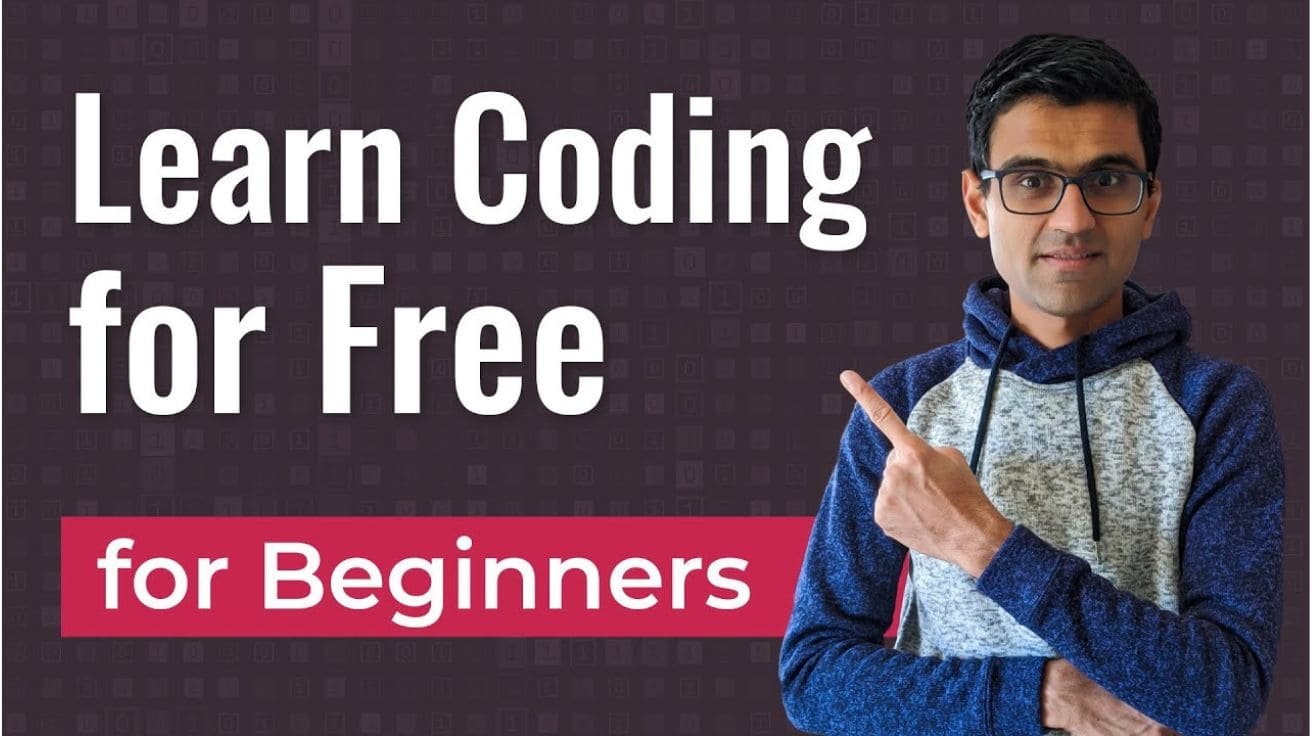
Free Coding Courses for Beginners are online programs that teach programming languages like Python, JavaScript, HTML, and CSS at no cost. They include interactive tutorials, hands-on projects, quizzes, and often offer certificates to help beginners build coding skills and start a career in tech.
Free Coding Courses for Beginners
Learning to code is now an essential skill that opens doors to high-demand tech careers. Whether you’re a student, career changer, or simply curious, free coding courses let you learn online at your own pace—with zero tuition costs.
Why choose free coding courses?
First, they offer hands-on coding projects and interactive exercises that reinforce learning. Platforms like freeCodeCamp, Codecademy, and Coursera offer interactive lessons in Python, JavaScript, HTML, and CSS. You’ll work on real-world projects, solve coding challenges, and gain hands-on experience.
Relevance in Today’s Job Market
These courses are flexible, beginner-friendly, and community-supported, helping you build problem-solving, logic, and computational thinking skills that can lead to careers in web development, software engineering, or data science—all for free.
Top Free Coding Platforms
1. Coursera & edX
Offer university-level courses like Python for Everybody and CS50’s Introduction to Computer Science. Ideal for learners seeking structured lessons, quizzes, and optional certificates.
2. Udemy
Features free beginner tutorials and interactive coding exercises in multiple languages. Great for self-paced learners who prefer video-based instruction.
3. Khan Academy
Perfect for young learners and beginners, providing interactive lessons in JavaScript, HTML, and CSS with step-by-step exercises.
4. freeCodeCamp & Codecademy
Focus on project-based learning with real-world coding challenges. You can build full projects and earn certificates for completed tracks.
5. Code.org
Offers gamified coding lessons and fun activities designed for students and absolute beginners.

Recommended Free Coding Courses for Beginners
Python for Everybody (Coursera)
Learn Python basics, data structures, and problem-solving.
Duration: ~8 weeks
Skills Gained: Python, logic, algorithms
Responsive Web Design (freeCodeCamp)
Master HTML, CSS, and JavaScript through hands-on projects.
Duration: ~300 hours
Skills Gained: Front-end development, responsive design
CS50’s Introduction to Computer Science (edX)
A university-level course introducing C, Python, algorithms, and computational thinking.
Duration: ~12 weeks
Skills Gained: Programming fundamentals, logic, problem-solving
These courses include video tutorials, coding exercises, and community forums. Many also offer free or low-cost certificates.
Benefits of Learning to Code
| Benefit | Description |
|---|---|
| Enhances Problem-Solving | Develops logical thinking and analytical skills by tackling coding challenges. |
| Career Opportunities | Opens doors to tech roles like web development, software engineering, and data science. |
| Creativity & Innovation | Encourages building projects, apps, and websites, fostering creative solutions. |
| Financial Growth | Skills in programming can lead to higher-paying jobs and freelance opportunities. |
| Adaptability & Future-Proofing | Learning coding prepares you for a technology-driven world and evolving industries. |
| Collaboration & Communication | Coding projects often involve teamwork, improving communication and collaboration skills. |

How to Choose the Right Coding Course
Choosing the right course depends on your goals and learning style:
- For career advancement, choose certified and project-based programs.
- For casual learning, try self-paced tutorials with interactive practice.
- freeCodeCamp suits web development learners.
- Coursera and edX are great for those wanting academic-level content.
- Code.org and Khan Academy work best for kids and complete beginners.
Also, join forums, coding communities, or mentorship programs to stay motivated and get help when needed.
Extra Tools and Resources for Beginners
Thonny
A simple Python IDE designed for beginners with built-in debugging.
Exercism
Offers coding challenges and mentorship in 70+ languages.
CodeCombat
Teaches coding through interactive games and fun challenges.
RoboBlockly
Provides robot simulations to learn programming and math concepts.
These tools make coding practice hands-on, engaging, and effective.
Tips for Succeeding in Free Coding Courses
- Set small, realistic goals to maintain momentum.
- Code daily—consistency is key to mastering skills.
- Build projects instead of just watching tutorials. Join online coding communities for peer support.
- Track progress and earn certificates to showcase achievements.
Consistent practice, community involvement, and real-world projects are the fastest ways to grow from a beginner to a confident coder.
FAQ
Q1: Are free coding courses for beginners effective?
Yes. They combine tutorials, projects, and community support, making them ideal for building practical coding skills.
Q2: Which programming language should I start with?
Python and JavaScript are most beginner-friendly, offering versatility for web development, data science, and general programming.
Q3: Can I get certificates from free coding courses?
Many platforms provide free or low-cost certificates, helping you showcase skills to employers or educational institutions.