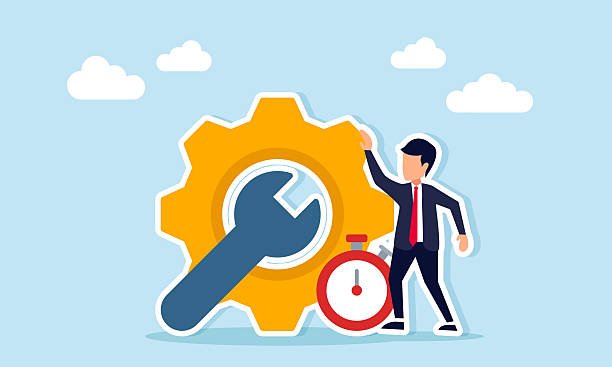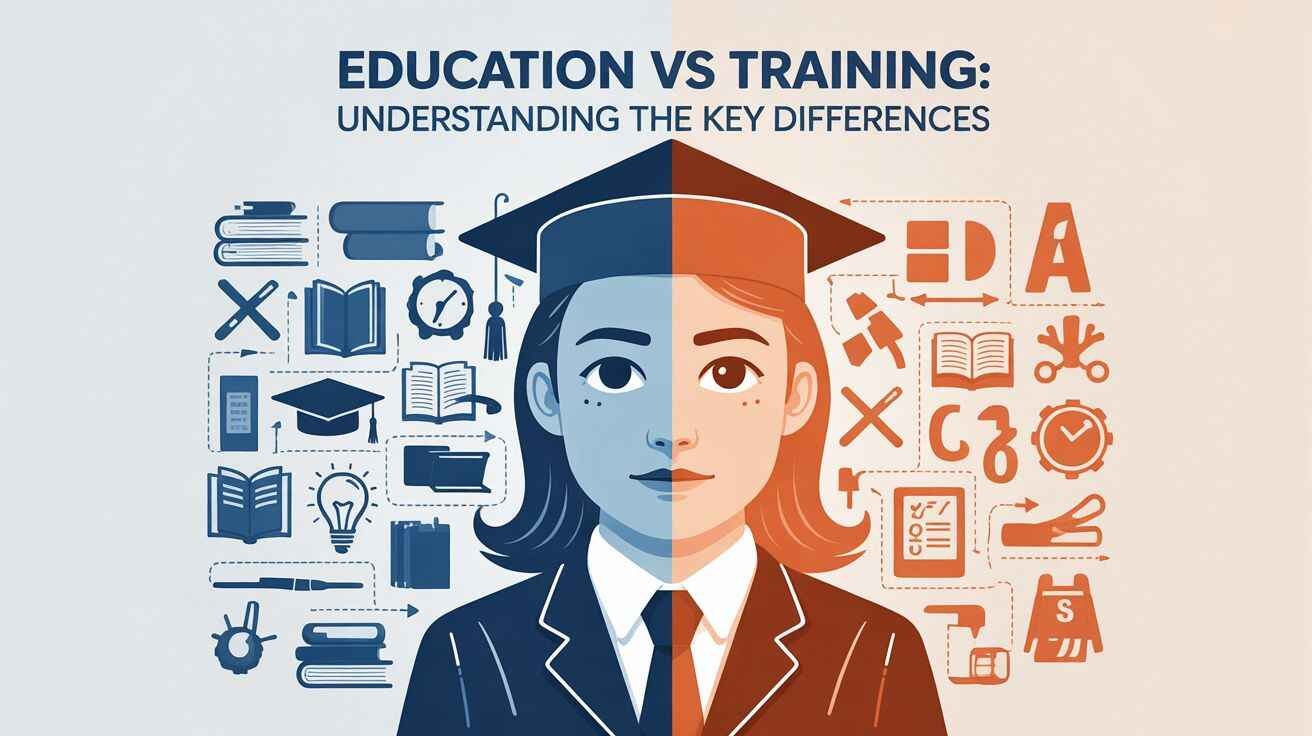
Understanding the Key Differences — Education builds knowledge and thinking skills, while training focuses on practical, hands-on abilities.
What Is Education? Focus on Knowledge and Long-Term Growth
Education is the process of developing broad knowledge, critical thinking, and lifelong learning habits. It focuses on understanding concepts, solving problems, and building the capacity to adapt in any situation.
Unlike short-term training, education shapes how you think rather than what you do.
Through schools, universities, and online learning, individuals gain intellectual growth, creativity, and perspective. In the debate of education vs training, education provides the foundation that supports continuous learning and personal development throughout life.

What Is Training? Focus on Practical Skills and Application
Training is all about developing specific, hands-on skills for immediate application. It helps individuals perform tasks efficiently, whether in the workplace, technical fields, or daily routines.
While education builds understanding, training builds performance.
It’s usually short-term and focused on mastering a job or process—like operating equipment, coding, or customer service. In comparing education vs training, training offers direct, practical experience that boosts confidence and productivity, preparing learners to meet the real-world demands of their profession quickly and effectively.

Education vs Training — The Key Differences Explained
Though often used interchangeably, education and training serve very different purposes. Education focuses on developing the mind—encouraging curiosity, reasoning, and understanding concepts—while training emphasizes action, repetition, and skill mastery.
The core difference lies in learning “why” through education and learning “how” through training.
In the context of education vs training, both play essential roles: education provides the foundation of knowledge, and training transforms that knowledge into usable, practical expertise that drives real-world performance.
| Aspect | Education | Training |
|---|---|---|
| Purpose | Develops knowledge, critical thinking, and understanding. | Builds hands-on, job-specific skills for immediate use. |
| Focus | Centers on why things happen — theory, reasoning, and concepts. | Centers on how to do things — practice, process, and repetition. |
| Approach | Encourages curiosity, analysis, and intellectual growth. | Emphasizes action, efficiency, and performance improvement. |
| Duration | Long-term and continuous, fostering lifelong learning. | Short-term and task-oriented, focused on quick skill acquisition. |
| Outcome | Produces thinkers, innovators, and problem-solvers. | Produces skilled workers ready for practical tasks. |
| Example | Studying business management principles at university. | Learning to use accounting software through a workshop. |
When to Choose Education or Training
Choosing between education and training depends on your goals and career stage. Education suits those seeking broad knowledge, critical thinking, and long-term growth. Training, on the other hand, is ideal for immediate skill development and job performance.
If you aim to build a career foundation, start with education—but for mastering a specific task, choose training.
In the debate on education vs training, the best path often blends both, ensuring you gain knowledge first and apply it effectively through practice.
Benefits and Limitations of Education and Training
Both education and training offer unique advantages and limitations. Education enhances creativity, adaptability, and problem-solving but often lacks immediate practical application. Training improves performance, efficiency, and job readiness but can be narrow in scope.
The key is understanding that education builds potential, while training turns that potential into action.
In the balance of education vs training, combining both ensures you not only know how to do a task but also understand why it matters in the bigger picture.
How to Combine Education and Training for Career Success
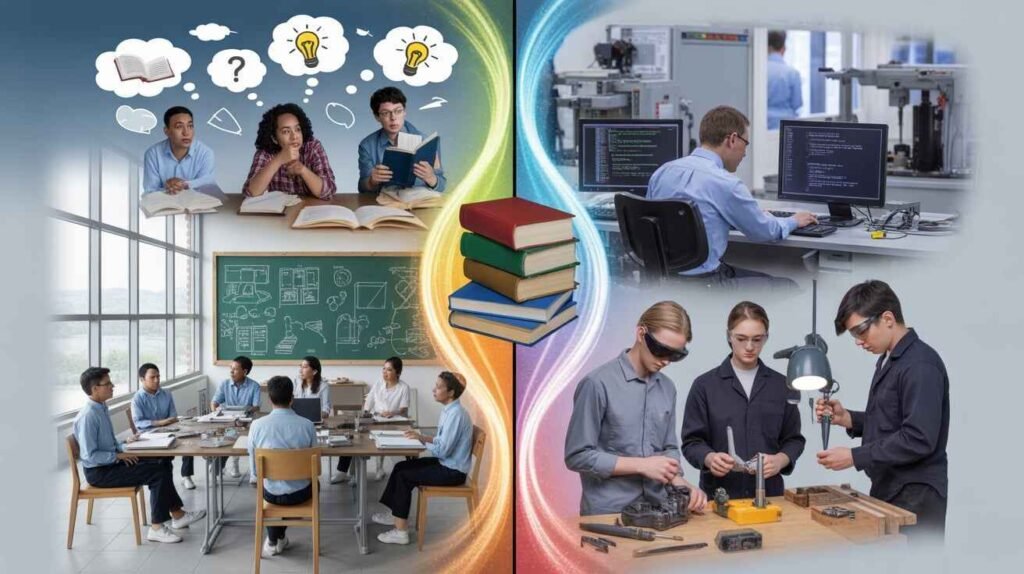
The most effective learning approach is blending education and training to achieve both understanding and capability. Education builds the theoretical base, while training sharpens real-world application.
When knowledge and skill work together, true professional growth begins.
Schools, companies, and individuals can combine both by pairing formal education with workshops, internships, or certification programs. In the education vs training discussion, this integration ensures long-term success, making learners more adaptable, competent, and ready to meet the evolving demands of their careers.
FAQs
Q1: What is the main difference between education and training?
Education develops knowledge and critical thinking, while training builds hands-on skills for direct application.
Education focuses on understanding concepts and theories that guide decision-making. Training, however, is practical and results-driven, preparing individuals to perform specific tasks efficiently. In short, education vs training is about “why” versus “how.” Both are crucial for personal and professional success when balanced correctly in any learning or career path.