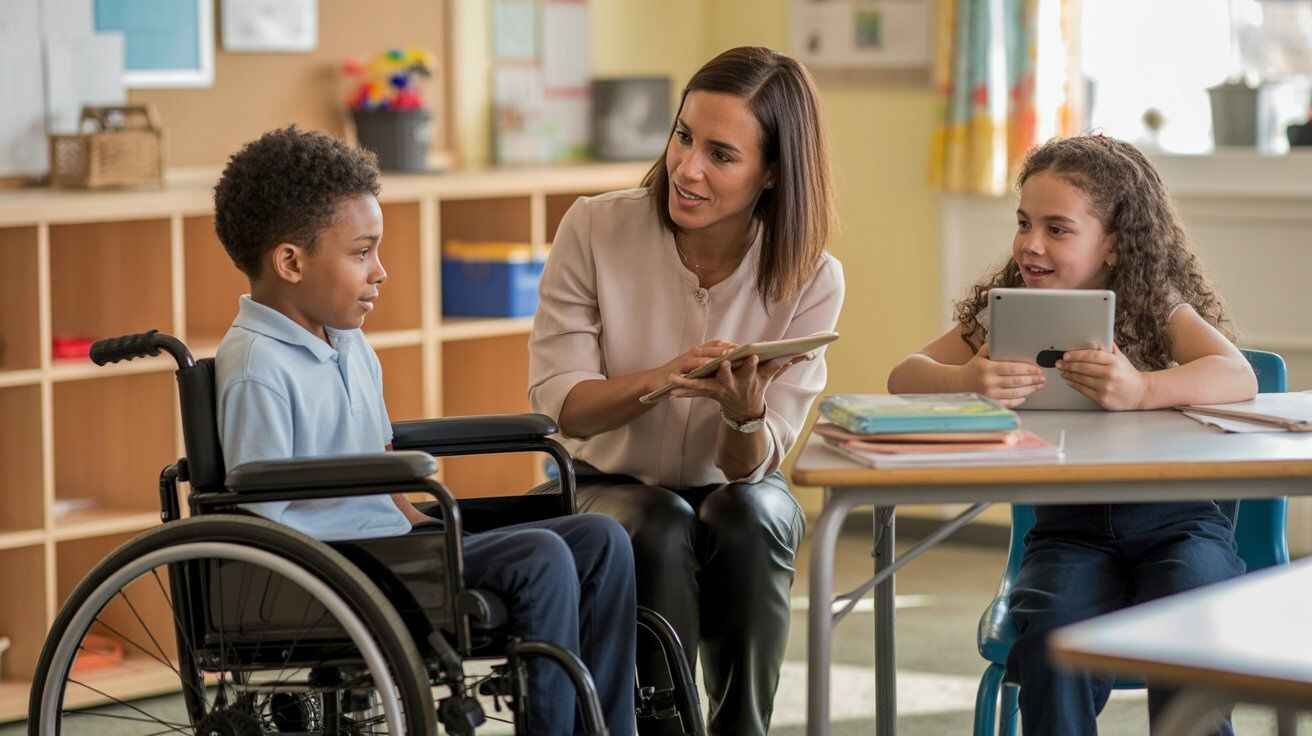
There are several types of special education classrooms designed to meet the unique needs of students.
Inclusive classrooms allow students to learn in general education settings with additional support. Resource rooms provide targeted small-group instruction, while self-contained classrooms offer highly structured and individualized learning.
Functional skills classrooms focus on daily living and independence, and alternative learning environments, such as therapeutic schools, serve students who need intensive emotional or behavioral support.
Why These Classrooms Matter
Every child deserves access to learning that fits their strengths and needs. That’s where the types of special education classrooms come in. These classroom options help schools provide the right balance of support, independence, and inclusion.
Special Education Classrooms
Special education classrooms are learning environments designed to support students with disabilities by offering tailored instruction, accommodations, and services that help them thrive both academically and socially.
The primary goal of these classrooms is to ensure that students can access the curriculum at their own pace while developing essential skills for independence and lifelong learning.
Each student has an Individualized Education Program (IEP) that outlines their specific goals, supports, and teaching strategies based on their unique strengths and needs.
By adapting instruction, materials, and the learning environment, special education classrooms create fair and inclusive opportunities for every student to succeed.
Understanding the Continuum & Least Restrictive Environment (LRE)
The IDEA law requires that students learn in the least restrictive environment (LRE) possible. This means students should learn alongside peers in general education whenever appropriate, with the help of push-in supports, related services, or assistive technology.
If those options aren’t enough, the IEP team explores more structured environments. Placement isn’t based on convenience or diagnosis—it’s based on what helps a student make meaningful progress. Most students move between settings over time as their needs evolve.

Types of Special Education Classrooms
1.Self-Contained Classrooms
Self-contained classes serve students who benefit from smaller groups and more individualized help. The student-to-teacher ratio is low, and instruction can be tailored throughout the day.
These classes often include specialists such as speech or behavior support. The biggest benefit is targeted instruction. A challenge: fewer opportunities for typical peer interaction.
2.Resource Rooms
A resource room provides pull-out support for students who spend most of the day in general education. Teachers focus on specific skills such as reading, writing, or math.
The goal is to help students close learning gaps and build confidence. This classroom type is less intensive than a self-contained program, offering a blend of independence and guidance.
3.Inclusive Classrooms
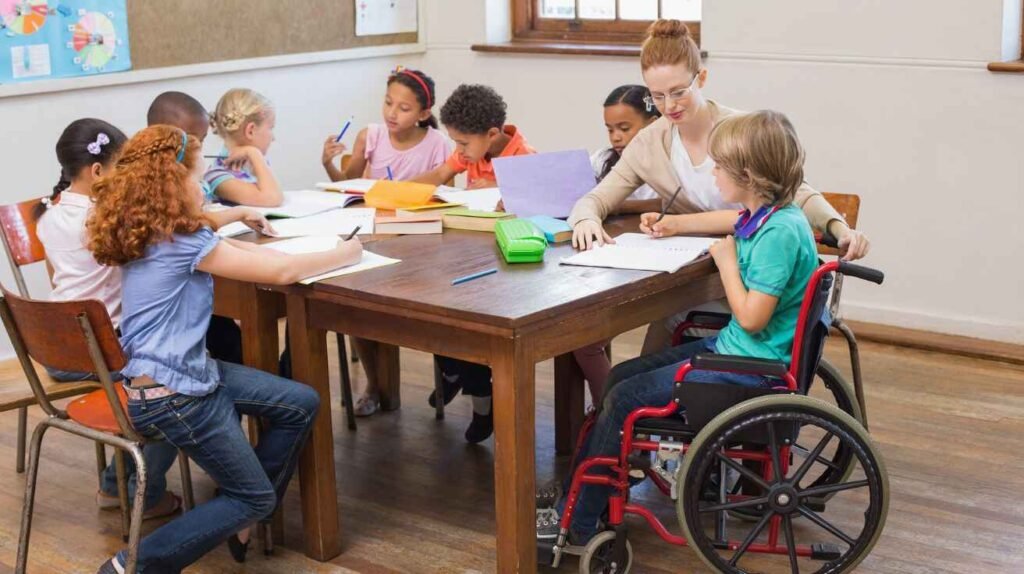
In inclusive classrooms, students with disabilities learn in general education settings with co-teaching or push-in support. They receive accommodations and modifications while staying connected socially and academically.
Benefits include improved communication and independence. Success depends on strong collaboration between teachers and access to proper training.
4.Functional Skills Classrooms
A functional skills classroom focuses on life-skills learning: daily living tasks, communication, and community participation. Students might practice shopping, cooking, or work-based skills.
Curriculum is hands-on and highly individualized, helping students who are on alternate assessment or diploma routes build independence and confidence.
5.Alternative Learning Environments
Some students thrive in therapeutic schools or behavioral support programs with mental-health resources built in. These alternative learning environments offer a structured setting with counseling, social-emotional learning, and specialized behavior supports.
They are considered more restrictive but can be the safest and most effective path during times of high need.
Comparison of Classroom Types
The biggest differences between these types of special education classrooms are:
| Classroom Type | Support Level | Peer Access | Focus | Environment |
|---|---|---|---|---|
| Inclusive Classroom | Low–Moderate | High | Grade-level academics with accommodations | General education classroom |
| Resource Room | Moderate | High (most of the day in gen ed) | Targeted academic skill support | Split time: gen ed + resource room |
| Self-Contained Classroom | High | Limited | Individualized academics & behavior support | Specialized classroom within school |
| Functional Skills Classroom | High | Limited–Variable | Life skills, communication, independence | School-based + community instruction |
| Alternative Learning Environment | Very High | Limited | Therapeutic, emotional/behavioral support | Separate program or therapeutic school |
Families should consider behavioral needs, communication, learning goals, and the supports required to succeed in general education. The “best” setting is the one that meets the IEP goals today—knowing it can always change.
How to Support Students in Special Education Classrooms
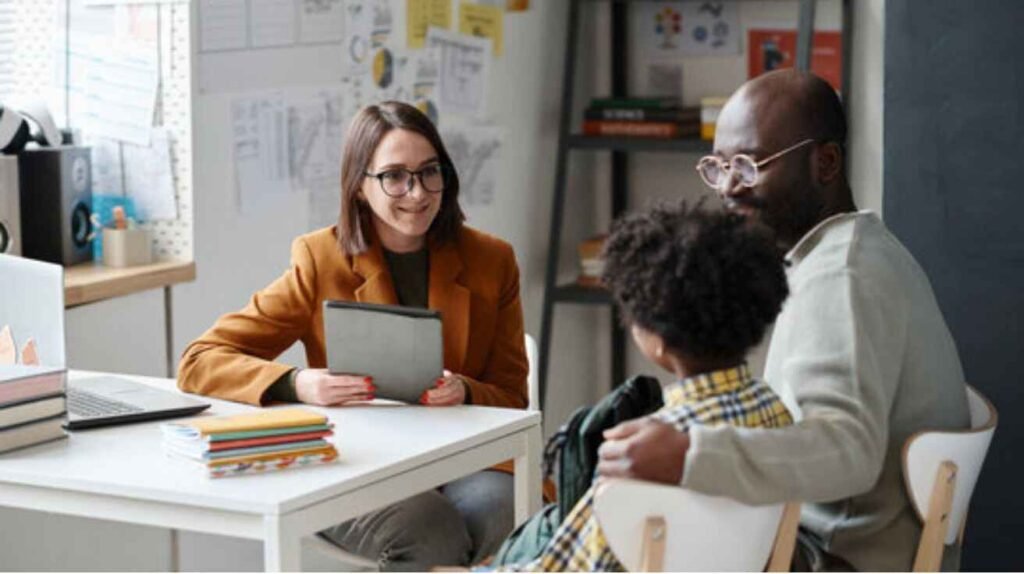
Strong teamwork fuels success. Parents, teachers, and support staff should stay in regular communication about progress and what strategies work best.
Tools like assistive technology, visual supports, social-emotional learning, and therapy services can make learning more accessible.
Families can request classroom observations or progress reviews at any time. A great placement is one where a student feels safe, included, and motivated to learn.
FAQs
Q1.Which classroom type is least restrictive?
Inclusive settings with push-in supports typically offer the most access to peers.
Q2.Can placement change?
Yes — the IEP team adjusts placement when needs change.
Q3: Can a student move between different classroom types?
Yes. Placement is flexible and should change when the student’s needs change. IEP teams review data regularly.
References
IRIS Center. (2019, September). Least restrictive environment (LRE) information brief. Vanderbilt University. https://iris.peabody.vanderbilt.edu/information-brief/least-restrictive-environment-lre/ IRIS
IRIS Center. (n.d.). Inclusion in policy and practice. Vanderbilt University. https://iris.peabody.vanderbilt.edu/module/scd/cresource/q1/p02/ IRIS
SpecialEdResource. (n.d.). Self-contained classroom defined. https://specialedresource.com/self-contained-classroom-defined/ Special Ed Resource
Disability Rights Arizona. (n.d.). FAQ: Least restrictive environment. https://disabilityrightsaz.org/resource/faq-least-restrictive-environment/ Disability Rights Arizona
Wrightslaw. (n.d.). Least restrictive environment (LRE), mainstreaming, inclusion. https://www.wrightslaw.com/info/lre.index.htm