The STEAM education system combines Science, Technology, Engineering, Arts, and Mathematics into an integrated learning approach that builds creativity, critical thinking, and problem-solving skills.
It’s important because it prepares students for modern careers by encouraging innovation, collaboration, and real-world application of knowledge.
What Is STEAM Education?
STEAM education is an interdisciplinary learning model that integrates science, technology, engineering, arts, and mathematics into a unified framework. Unlike traditional teaching methods that treat subjects separately, STEAM encourages students to explore connections between them. The inclusion of arts transforms STEM into STEAM, highlighting the importance of creativity, design, and communication in solving complex problems.
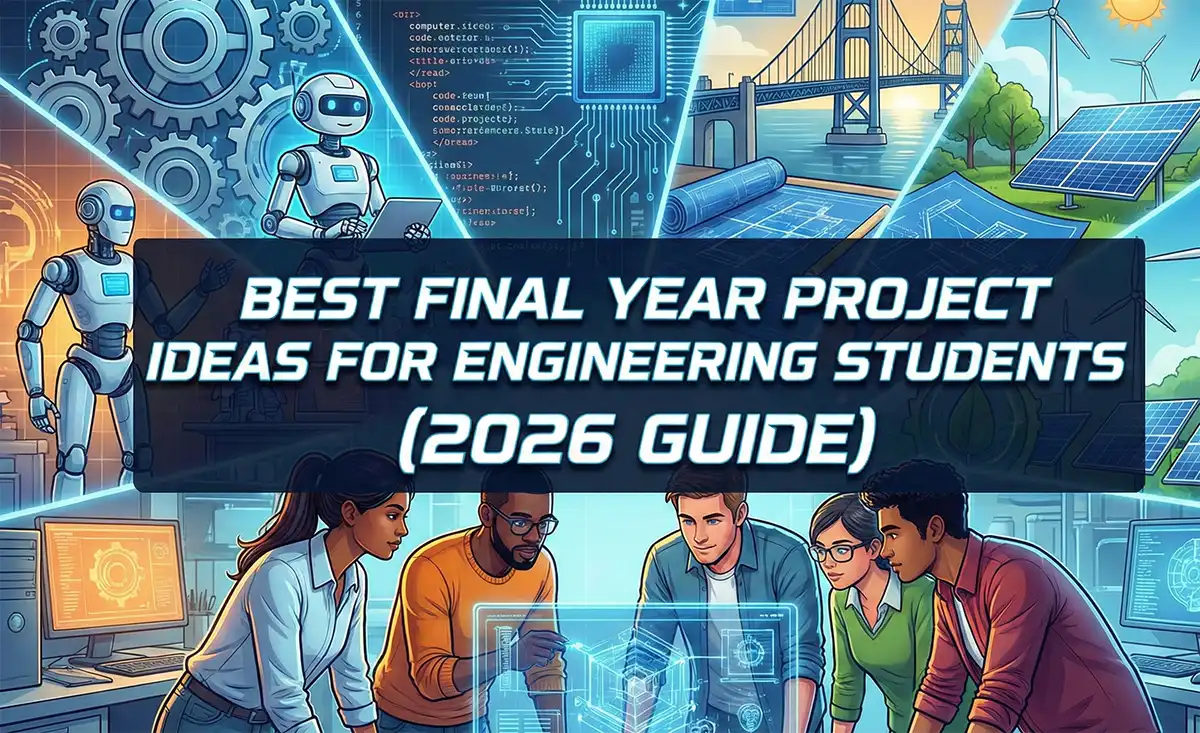
For example, when students design a bridge, they don’t just apply engineering principles—they also consider aesthetics, structure, and user experience. This is what makes STEAM education so powerful: it blends technical knowledge with imagination to mirror how professionals work in real-life industries.
In today’s classrooms, STEAM curriculum often includes hands-on projects, robotics, digital design, and coding challenges that stimulate curiosity and collaboration. It’s not just about memorizing facts—it’s about learning by doing.
Why Is STEAM Education Important?
Understanding why STEAM education is important starts with recognizing how our world is changing. Employers increasingly seek individuals who can think creatively, adapt quickly, and collaborate effectively across different disciplines. STEAM education fosters exactly those abilities.
The benefits of STEAM education extend beyond technical proficiency. It nurtures critical thinking, communication, and problem-solving skills—qualities essential for 21st-century careers. From architecture to app development, success often depends on blending logical reasoning with creativity.
Moreover, STEAM learning helps close the gap between academic theory and real-world application. It motivates students to explore new ideas, experiment fearlessly, and view failure as part of innovation. By including the arts, STEAM also broadens participation, making science and technology more accessible to students with different learning styles or interests.
Ultimately, STEAM education prepares students for future jobs that don’t even exist yet, equipping them with a mindset that values creativity as much as computation.
How STEAM Education Works: Methods and Implementation
Implementing STEAM education means shifting from lecture-based teaching to interactive, project-based learning. In a typical STEAM classroom, students might design eco-friendly homes, create digital art through coding, or build robotic prototypes that solve everyday problems.
Design thinking—a process of empathizing, brainstorming, prototyping, and testing—is central to this approach. It encourages learners to combine creativity with analysis, leading to solutions that are both practical and innovative.
Schools often support STEAM through maker spaces, labs where students can experiment with 3D printers, sensors, or art supplies. Collaboration is key—students work in teams, mirroring professional environments. This approach keeps learners engaged, confident, and eager to explore.
The integration of arts in STEM fields also helps students understand the human and cultural context of technology, ensuring that innovation remains inclusive and empathetic.
Benefits of STEAM Education
The benefits of STEAM education are wide-ranging and deeply impactful. It encourages curiosity, enhances problem-solving, and fosters a holistic education model that values both logic and imagination.
By combining analytical and creative thinking, students gain the flexibility to adapt in an unpredictable world. They learn how to question assumptions, think critically, and approach challenges with an open mind.
STEAM learning also boosts motivation. When students see how math connects to music, or how art influences engineering, learning becomes meaningful and exciting. This engagement leads to stronger academic performance and deeper understanding.
In addition, STEAM education promotes digital literacy and innovation, helping students become confident users and creators of technology rather than passive consumers. These are the very skills shaping the global workforce today.
Challenges in Implementing STEAM Education
While STEAM education offers many advantages, implementing it effectively poses some challenges. Schools often struggle with teacher training, limited resources, and rigid curricula that prioritize traditional testing over creativity.
Another issue is balancing the technical rigor of STEM subjects with the expressive nature of the arts. Without careful planning, arts integration can feel superficial rather than transformative.
To overcome these barriers, schools need supportive leadership, interdisciplinary collaboration, and investments in professional development. Promoting equity in STEAM programs is also crucial so that students from all backgrounds have access to quality resources and opportunities.
Future of STEAM Education
The future of STEAM education looks bright as schools worldwide embrace the need for innovation-driven learning. With the rise of AI, robotics, and Industry 4.0, the demand for adaptable, creative thinkers will only grow.
STEAM education aligns perfectly with this future. It equips students not only with technical knowledge but also with empathy, imagination, and design thinking—skills essential for tackling global challenges like sustainability and digital transformation.
As education continues to evolve, STEAM represents a balanced approach that values creativity and logic equally, preparing students for a lifetime of growth and discovery.
FAQs
Q1: What does STEAM stand for?
STEAM stands for Science, Technology, Engineering, Arts, and Mathematics. It’s an integrated learning model that bridges creativity with technical skills.
Q2: Why is STEAM education important?
It helps students build critical thinking, communication, and creativity—skills that are vital for success in the 21st-century workforce.
Q3: How is STEAM different from STEM?
STEM focuses on science and technology, while STEAM adds the arts to promote innovation, design, and human-centered thinking.
Q4: What are examples of STEAM activities?
Examples include building robots, designing 3D art, coding animations, or creating sustainable product prototypes.
Q5: How can schools implement STEAM education effectively?
By investing in teacher training, encouraging project-based learning, and integrating creativity across subjects to make lessons meaningful.