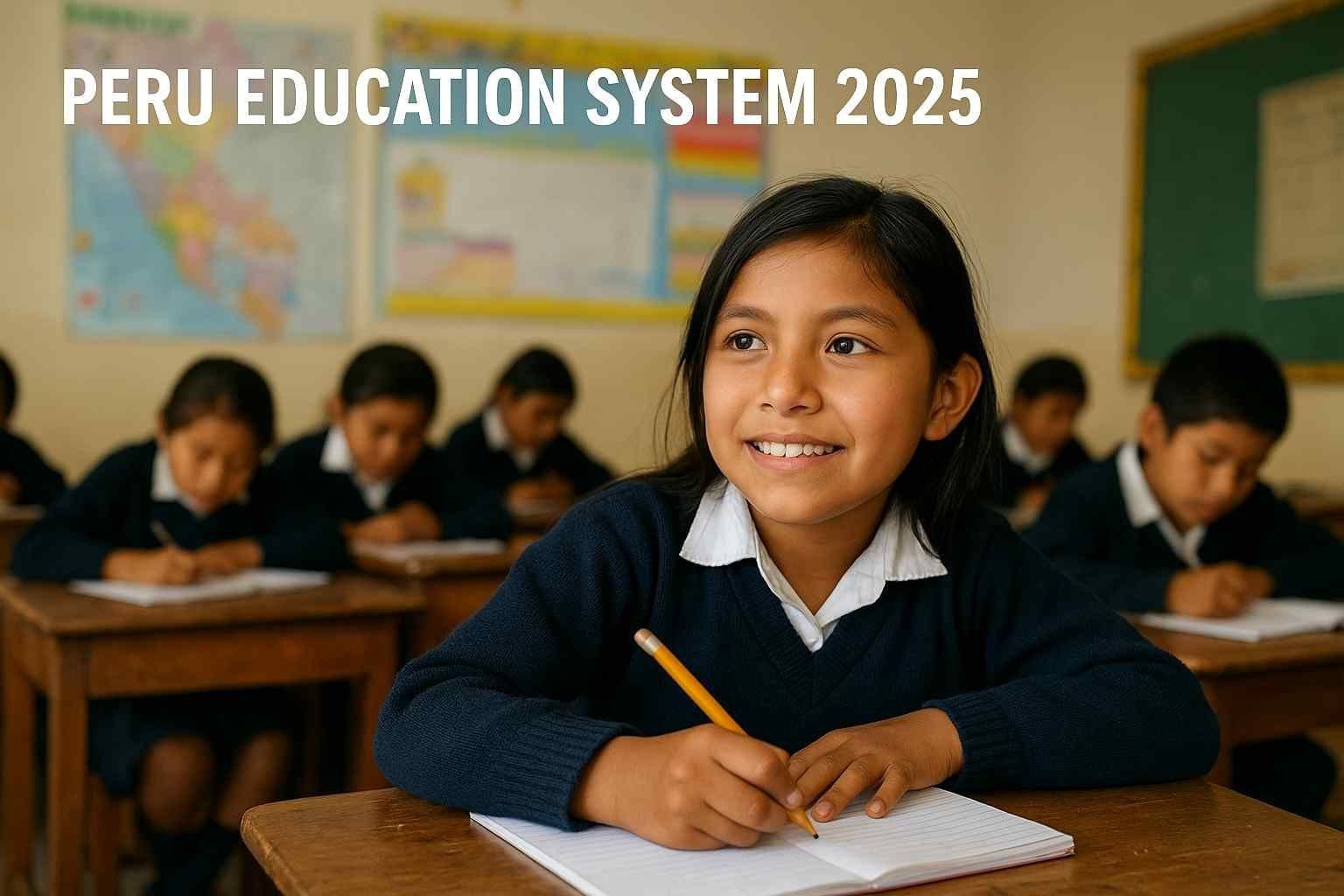
The education system in Peru provides free and compulsory education from primary to secondary level, aiming to improve access, quality, and bilingual learning opportunities.
Introduction to the Peru Education System
The Peru education system plays a central role in shaping the country’s social and economic future. Over the past few decades, Peru has made steady progress in expanding access to schooling, but ensuring consistent quality and equal opportunities remains an ongoing challenge.
Education is compulsory for children between the ages of 6 and 16, covering both primary and secondary school levels. The government, through the Ministry of Education Peru (Ministerio de Educación del Perú), continues to introduce reforms that aim to modernize classrooms, enhance teacher training, and close the rural–urban learning gap.
As Peru strengthens its public investment and explores digital learning opportunities, families and educators alike are pushing for a more inclusive and results-driven model. Understanding how the Peruvian education system works—its structure, reforms, and persistent challenges—helps explain why education is considered one of the nation’s most powerful tools for social mobility and long-term development.
Historical Background of Education in Peru
The history of the Peru education system is deeply tied to the nation’s cultural and political evolution. During the Inca Empire, learning focused on practical knowledge—agriculture, astronomy, and governance—passed down through oral traditions. Spanish colonization in the 16th century introduced formal schooling, but access was limited mainly to elite and urban populations.
After gaining independence in 1821, Peru began building a national framework for public education. The establishment of the Ministry of Education Peru in 1837 marked a turning point, setting the foundation for standardized instruction. Over time, reforms sought to expand literacy, especially among indigenous and rural communities often excluded from the system.
Today, traces of this history remain visible. The education system in Peru continues to balance modernization with cultural inclusion, striving to bridge historical inequalities and ensure that education serves as a path toward opportunity for every student.
Structure of the Peru Education System
| Level of Education | Age Range / Duration | Focus / Key Features | Additional Notes |
|---|---|---|---|
| Early Childhood Education | Starts at age 3 | Develops basic literacy, creativity, and social skills | Lays foundation for lifelong learning |
| Primary Education | 6 years | Focus on core academic subjects | Compulsory part of national education |
| Secondary Education | 5 years | Students choose between academic or technical tracks | Prepares for higher education or employment |
| Compulsory Schooling | Ages 6–16 | Ensures all children receive basic education | Government-mandated |
| Public vs Private Schools | — | Public schools serve most students; private and bilingual schools expanding | Private institutions more common in urban areas |
| Challenges in Rural Areas | — | Limited resources and teacher shortages | Affects quality and accessibility of education |
| Higher Education | Post-secondary | Includes universities, technical institutes, vocational centers | Offers specialized programs for careers |
| Government Initiatives | — | Expanding access, improving quality and inclusivity | Aims to make the system globally competitive |
Curriculum and Teacher Training
The Peru education system follows a national curriculum designed to promote academic skills, cultural identity, and practical learning. In primary schools, students study core subjects like mathematics, communication, science, and social studies, while secondary education introduces specialized streams in technical or academic areas. Recent reforms emphasize digital literacy, environmental awareness, and bilingual education to better reflect Peru’s cultural diversity.
Teachers are the foundation of the education system in Peru, yet many face challenges such as low salaries and limited professional development. To address this, the Ministry of Education Peru has launched programs to improve teacher training, evaluation, and classroom resources. These initiatives aim to ensure that educators are well-equipped to foster creativity, critical thinking, and inclusivity in classrooms across urban and rural areas—making the Peruvian education system more effective and responsive to modern educational needs.
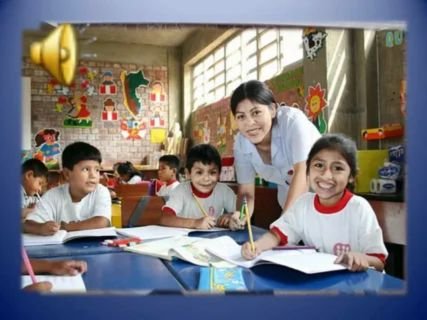
Access, Equity & Learning Outcomes
| Aspect | Key Points |
|---|---|
| Access to Education | Enrollment has improved nationwide, but disparities remain between urban and rural areas. |
| Challenges | Poor infrastructure, limited internet access, and teacher shortages affect rural schools. |
| Government Initiatives | Programs aim to reduce dropouts, support bilingual education, and promote girls’ education. |
| Learning Outcomes | Learning poverty remains high—many 10-year-olds struggle with reading comprehension. |
| Future Goals | Focus on bridging the digital divide and enhancing educational quality for equal opportunities. |
Higher, Technical & Vocational Education
Higher education in Peru is expanding rapidly, with universities, technical institutes, and vocational centers offering diverse opportunities. Public and private universities provide academic degrees, while technical institutes focus on practical skills in engineering, healthcare, and business. This balance helps align the Peru education system with workforce demands.
Recent reforms by the Ministry of Education Peru emphasize accreditation, transparency, and quality assurance to ensure institutions meet national standards. Vocational and technical education in Peru are becoming key drivers for employment, especially among youth in rural and underserved regions. By strengthening access, accountability, and innovation, the Peruvian education system aims to produce graduates ready to contribute to both local and global economies.
Government Investment, Policy & Reforms
The Peru education system has undergone major reforms aimed at improving quality, equity, and accountability. The government has increased education spending, but funding remains below OECD averages. Through the Ministry of Education Peru, initiatives such as curriculum redesign, digital learning programs, and school infrastructure upgrades are being implemented to modernize the sector.
University licensing reforms have also closed underperforming institutions to maintain academic standards. Meanwhile, teacher evaluation systems and training programs promote professional growth and classroom innovation. Despite progress, challenges in transparency, funding allocation, and rural access persist. Continuous education reform in Peru remains essential for building a resilient, inclusive, and future-ready education model.
Key Challenges in the Peru Education System
Despite major reforms, the Peru education system continues to face structural challenges. Rural schools often lack qualified teachers, reliable internet, and adequate facilities, widening the learning gap between urban and rural areas. Limited public funding and outdated materials also affect classroom performance and student engagement.
The education system in Peru must also address digital inequality, as many children—especially in mountainous and Amazonian regions—struggle to access online learning. Language barriers in bilingual communities add another layer of complexity. To overcome these issues, the Ministry of Education Peru is prioritizing teacher development, infrastructure improvement, and inclusive learning models that support all linguistic and cultural groups.
Frequently Asked Questions (FAQ)
Q1. How is the Peru education system structured?
The system includes four main levels: early childhood, primary, secondary, and higher education. Schooling is compulsory from ages six to sixteen.
Q2. What are the major challenges in the education system in Peru?
Key challenges include inequality between urban and rural schools, teacher shortages, limited digital access, and low learning outcomes in some regions.
Q3. How is the government improving education quality?
The Ministry of Education Peru has introduced reforms focusing on teacher training, curriculum updates, and the expansion of digital and bilingual programs.
Q4. What languages are used in Peruvian education?
Spanish is the main language, but Quechua and Aymara are also used in bilingual programs to support indigenous students.
Q5. What opportunities exist for higher and technical education?
Students can pursue university degrees or technical and vocational programs that align with job market needs, helping the Peruvian education system strengthen employability and skill development.