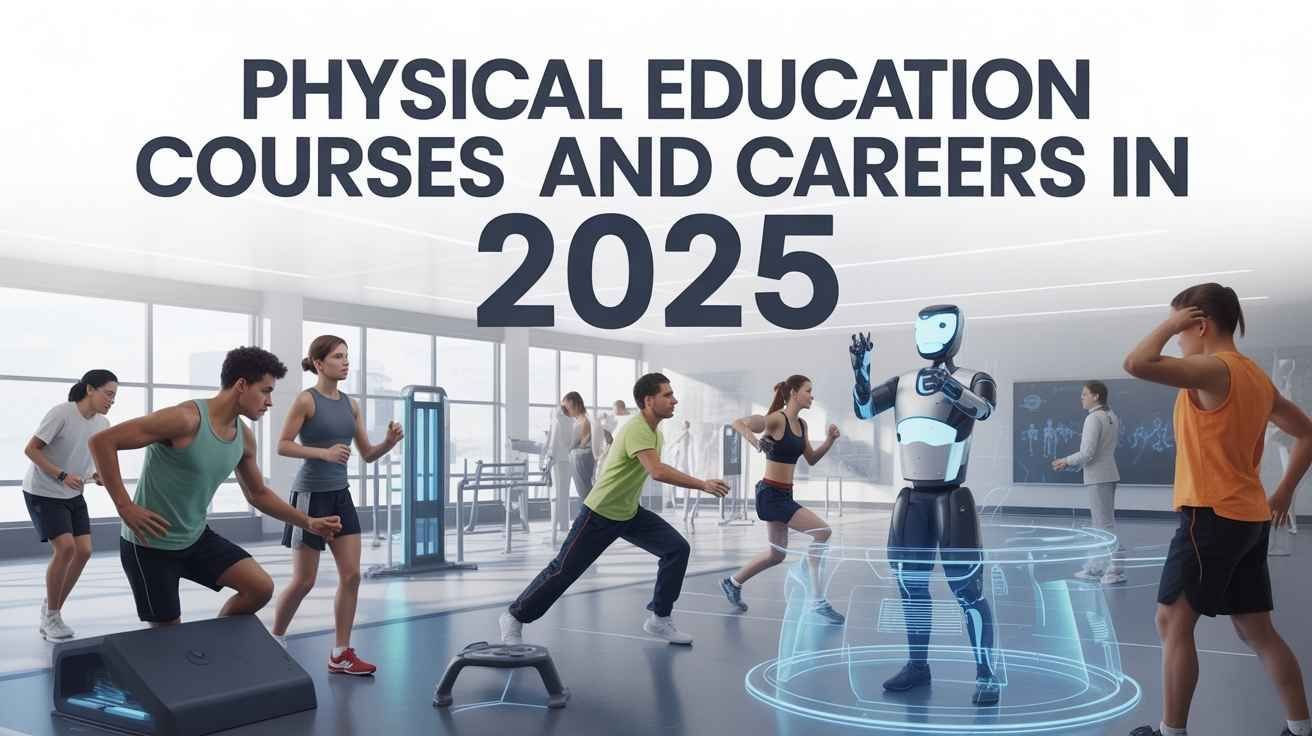
In 2025, Physical Education (PE) is more than just a school subject—it’s a dynamic, multidisciplinary field connecting sports, health, technology, and wellness. As the world becomes more health-conscious, governments, schools, and industries are investing heavily in fitness and physical activity. That means students pursuing physical education today are entering one of the most relevant and rewarding sectors of the future.
With the rise of sports analytics, wearable technology, and holistic wellness, physical education courses now prepare graduates not only for teaching but also for coaching, fitness management, sports science, and rehabilitation careers.
What Physical Education Courses Offer
Physical Education programs aim to build knowledge in exercise science, human anatomy, biomechanics, and movement skills—along with practical experience in teaching, coaching, and performance assessment.
Students learn how to develop fitness programs, manage athletic teams, promote health awareness, and use data-driven tools to improve sports performance. Modern PE courses also integrate modules like sports psychology, nutrition, inclusive fitness, and digital health technologies to align with global industry demands.

Top Physical Education Courses in 2025
Here are some of the most popular and in-demand physical education courses available in 2025:
1. Bachelor of Physical Education (BPEd / B.Sc. in Sports Science)
A 3–4 year undergraduate degree offering foundational knowledge in exercise physiology, coaching, sports management, and health education. Graduates can work as PE teachers, trainers, or fitness professionals.
2. Bachelor of Arts (BA) in Physical Education
This course focuses on pedagogy, sports studies, and community fitness. It’s ideal for students interested in teaching, school programs, or recreation management.
3. Bachelor of Sports and Exercise Science
Offered by many universities in the US, UK, Australia, and Europe, this program blends sports science with biomechanics and kinesiology, preparing graduates for high-performance coaching and sports analysis roles.
4. Master’s in Physical Education and Sports Sciences (MPEd / MSc Sports Science)
A 2-year postgraduate course designed for specialization. Students focus on advanced subjects like sports psychology, research methods, and biomechanics—ideal for leadership and research careers.
5. Diploma and Certificate Courses
Short-term programs in fitness training, yoga instruction, sports management, or personal training certification are perfect for quick entry into the fitness or coaching profession.
6. PhD in Physical Education or Exercise Science
For those interested in academia, sports research, or policy development, doctoral programs focus on advanced studies in physiology, performance analysis, and education methodology.
Core Subjects and Skills Developed
Modern PE courses combine theory and hands-on learning. Common subjects include:
- Human Anatomy & Physiology—Understanding the body’s systems and their response to exercise.
- Biomechanics & Kinesiology—Studying motion and movement efficiency.
- Sports Psychology & Coaching—Learning motivation, leadership, and communication in sports.
- Sports Nutrition – Designing diet plans for athletes and fitness clients.
- Health Education & First Aid – Promoting public wellness and injury prevention.
- Sports Management & Analytics—Using data and technology to optimize performance.
Students also develop key soft skills like communication, leadership, teamwork, and analytical problem–solving—essential in education and sports industries.
Career Options After a Physical Education Degree
The career possibilities after studying physical education in 2025 are diverse and exciting. Here are some top options:
1. Physical Education Teacher
One of the most traditional and respected roles. PE teachers work in schools or colleges, promoting fitness, teamwork, and healthy lifestyles among students.
2. Sports Coach / Athletic Trainer
Coaches guide individuals or teams toward peak performance, often specializing in specific sports. With technology and analytics, coaching has become more scientific and data-driven.
3. Fitness Instructor / Personal Trainer
A booming field worldwide. Trainers design workout programs, monitor progress, and motivate clients in gyms, fitness centers, or even through online platforms.
4. Sports Scientist / Exercise Physiologist
Experts in biomechanics, physiology, and sports performance who work with elite athletes, health organizations, or research institutions to enhance performance and recovery.
5. Sports Management Professional
Managing teams, events, or athletic facilities. This career suits those with organizational and leadership skills who want to work behind the scenes in the business of sports.
6. Wellness and Rehabilitation Specialist
With rising mental health awareness, there’s growing demand for specialists in wellness coaching, physiotherapy support, and rehabilitation programs.
7. Sports Journalist or Broadcaster
For students with strong communication skills, this path combines love for sports with storytelling, commentary, or digital media production.

Emerging Career Trends in 2025
The physical education field is expanding rapidly thanks to new technologies and changing lifestyles. The hottest trends include:
- Sports Analytics & Data Science—Using wearables, apps, and motion sensors to assess performance.
- E-Fitness & Virtual Coaching—Online personal training and remote fitness programs.
- Corporate Wellness Management—Designing wellness initiatives for employees in major companies.
- Adaptive Physical Education—Creating inclusive programs for individuals with disabilities.
- Holistic Health & Mind-Body Integration—Combining yoga, mindfulness, and physical training for overall well-being.
How to Choose the Right Physical Education Course
When selecting a course:
- Define your goal—teaching, coaching, management, or sports science.
- Check accreditation—ensure the program is recognized by a reputable body.
- Explore internships—hands-on experience is critical for building your resume.
- Assess specializations—pick a course offering modules in analytics, wellness, or management for better employability.
- Consider international exposure—many universities offer exchange or global internship opportunities.
Choosing a Physical Education course in 2025 can open doors to a fulfilling, active, and meaningful career
FAQs
Q1: What is the minimum qualification to become a Physical Education teacher?
A1: Typically you need a bachelor’s degree in Physical Education (e.g., BPEd or BA Physical Education) plus relevant certification or a teaching license depending on your country/region.
Q2: Can I switch to the fitness industry after completing a Physical Education degree?
A2: Yes. Many graduates move into fitness trainer, instructor, wellness coach, or gym manager roles. The knowledge of kinesiology, exercise science, and pedagogy makes you well equipped for fitness-industry roles.
Q3: Do I have to be a good athlete to enroll in a Physical Education course?
A3: Not necessarily. While having a sports background can help, most courses welcome students with an interest in movement, fitness, and teaching. You’ll develop required physical skills during the program.