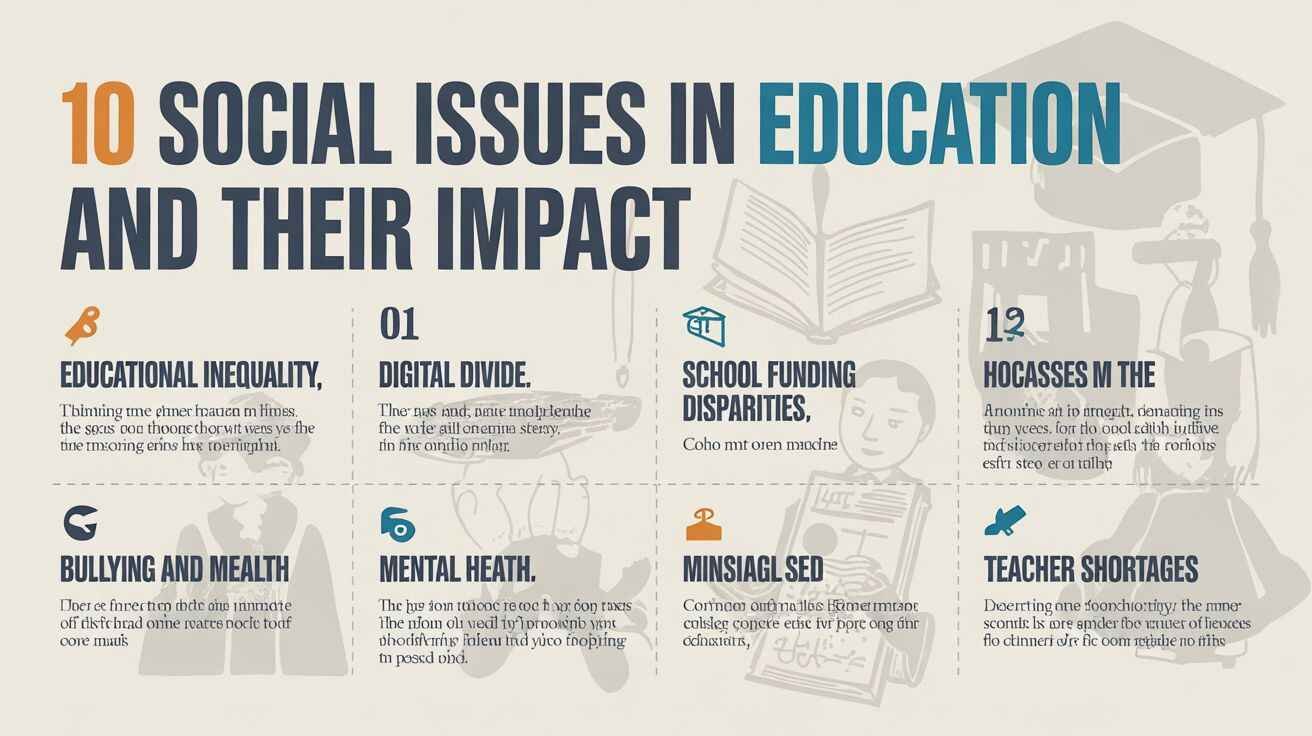
Explore 10 major social issues in education—like inequality, poverty, and mental health—that shape student success and the quality of learning worldwide.
Educational Inequality and the Achievement Gap
Educational inequality remains one of the most critical social issues in education today. Students from low-income families often lack access to quality schools, learning materials, and experienced teachers. This leads to an achievement gap—a persistent difference in academic performance between privileged and disadvantaged groups.
Socioeconomic status, race, and location continue to shape students’ learning opportunities. Urban schools may struggle with overcrowding, while rural areas face shortages of qualified educators. Bridging this gap requires equitable funding, inclusive policies, and community support to ensure every child receives the same chance to succeed. True progress in education depends on addressing these systemic inequalities at their root.
Poverty and Economic Inequality in Education
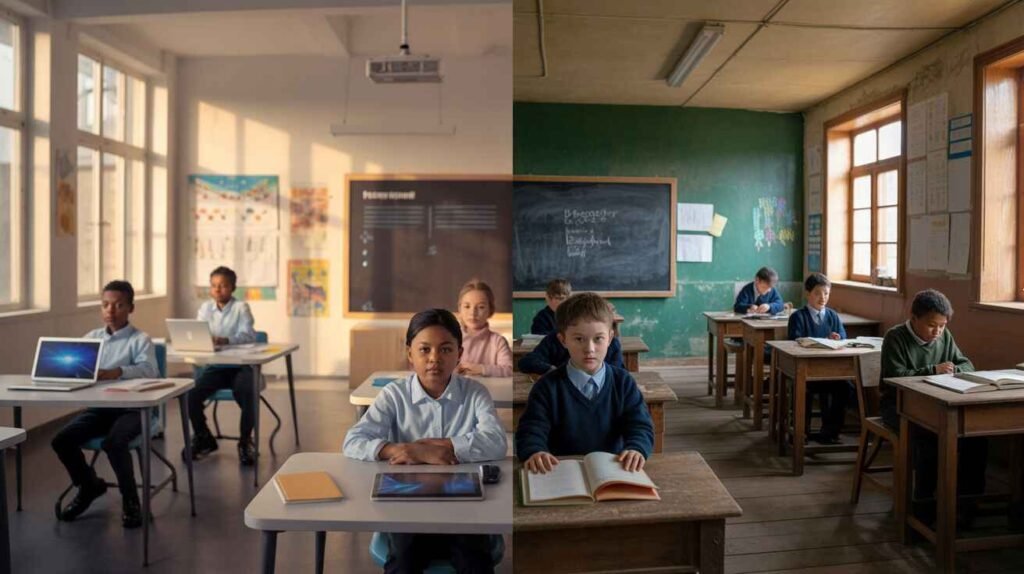
Poverty remains one of the most critical social issues in education, affecting access to quality learning resources and academic success. Students from low-income families often face food insecurity, lack of internet access, and limited school supplies, which directly impact performance. Economic inequality widens the gap between privileged and underprivileged learners, making it harder for disadvantaged students to compete equally. Addressing this requires targeted support programs, equitable funding, and inclusive educational policies that ensure every student has an equal chance to learn and thrive.
Bullying and School Violence
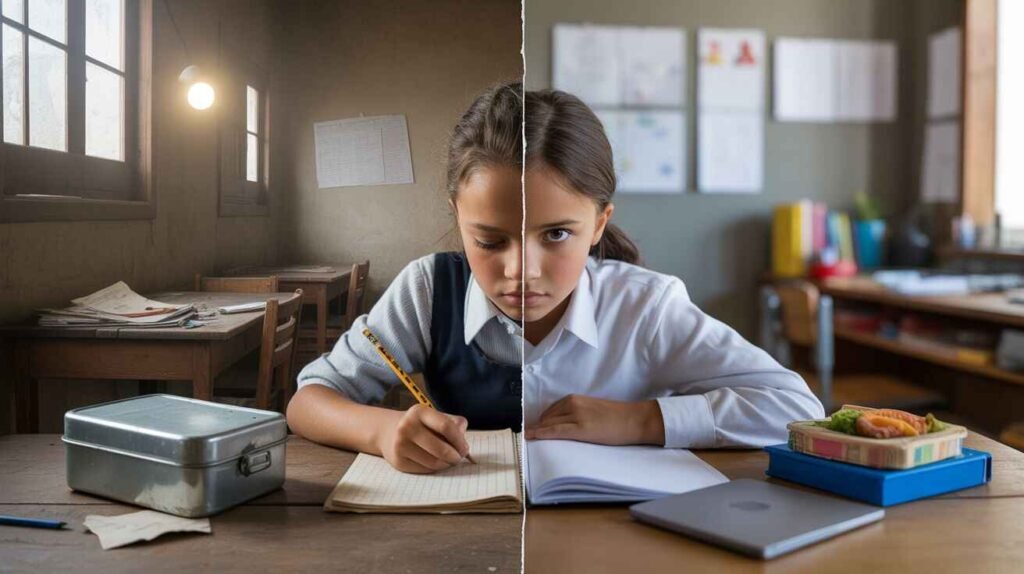
Bullying and school violence remain serious social issues in education, deeply affecting students’ emotional well-being and academic performance. Victims often experience anxiety, depression, and decreased motivation to attend school. Both physical and cyberbullying create unsafe environments that hinder learning and trust among peers. Schools must adopt stronger anti-bullying policies, promote empathy, and provide counseling support to create a safe and inclusive atmosphere. Addressing bullying effectively helps build respect, safety, and positive relationships within the educational community.
| Education | Details |
|---|---|
| Social Issue | Bullying and School Violence |
| Impact on Students | Causes anxiety, depression, and loss of motivation; decreases school attendance and performance. |
| Types of Bullying | Physical bullying, verbal harassment, and cyberbullying through digital platforms. |
| Consequences | Creates unsafe learning environments, damages peer trust, and affects emotional well-being. |
| Solutions | Implement strong anti-bullying policies, promote empathy, and offer counseling support. |
| Goal | To create a safe, inclusive, and respectful school environment where all students can thrive. |
Poverty and Unequal Access to Education
Poverty is one of the most significant social issues in education, limiting access to quality learning resources, nutrition, and technology. Students from low-income families often struggle with attendance, concentration, and academic achievement due to financial instability. Rural and marginalized communities face even greater challenges, including underfunded schools and limited extracurricular opportunities. To close the education gap, governments and organizations must invest in equitable funding, scholarship programs, and digital inclusion. Equal access to education ensures every child can reach their full potential regardless of background.
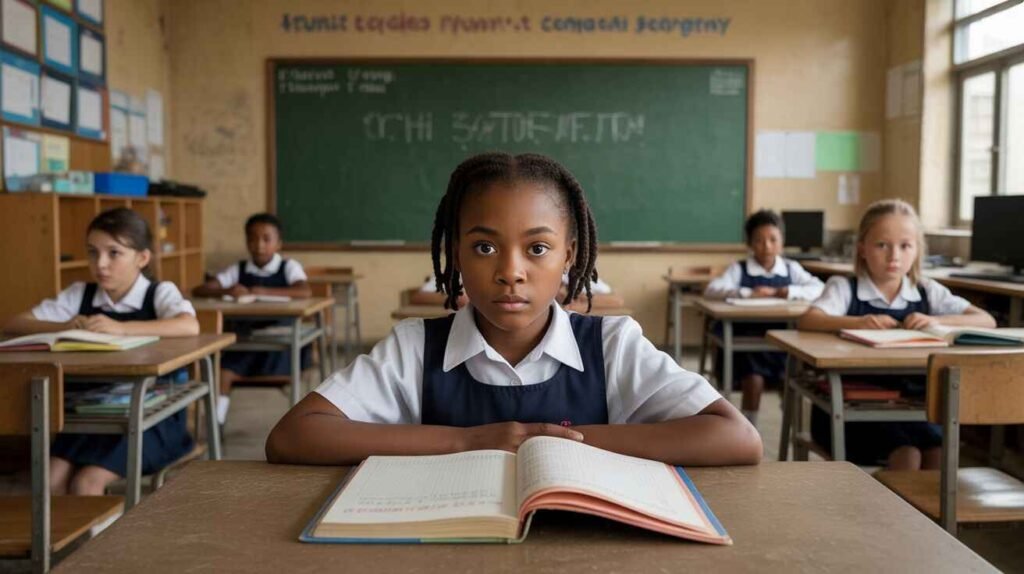
Bullying and School Violence
Bullying and school violence remain critical social issues in education, affecting students’ mental health, attendance, and academic performance. Victims often experience anxiety, depression, and social isolation, which hinder their ability to learn effectively. Both physical and cyberbullying create unsafe learning environments that discourage participation and trust. Schools must promote zero-tolerance policies, counseling programs, and peer-support initiatives to address this growing concern. Creating a safe and inclusive school culture is essential for protecting students’ well-being and fostering positive learning outcomes.
Mental Health Challenges Among Students
Mental health issues are becoming one of the most pressing social issues in education today. Stress, anxiety, and depression among students often stem from academic pressure, social expectations, and unstable home environments. When left unaddressed, these challenges can lead to poor concentration, absenteeism, or even dropout. Schools play a vital role in supporting emotional wellness through counseling, mental health awareness, and stress management programs. Prioritizing mental health in schools ensures that students are emotionally balanced, motivated, and ready to learn effectively.

Bullying and School Violence
Bullying remains a major social issue in education, deeply affecting students’ emotional and academic growth. Whether physical, verbal, or cyber, bullying creates an unsafe environment that discourages learning and self-expression. Victims often suffer from anxiety, low self-esteem, and poor academic performance. Schools must adopt anti-bullying policies, promote empathy, and encourage open communication to create a culture of respect. Addressing bullying through awareness programs and strong disciplinary actions ensures a safer, more inclusive environment for every student to thrive.
Teacher Shortages and Burnout
Teacher shortages and burnout are growing social issues in education, directly impacting learning quality. Many educators face heavy workloads, low pay, and limited support, leading to stress and high turnover rates. This shortage leaves classrooms overcrowded and reduces personalized attention for students. To solve this, schools must invest in teacher training, fair compensation, and mental health support. Empowering and supporting teachers not only improves retention but also enhances the overall quality of education, creating a healthier learning environment for all.

Inequality in Educational Funding
Unequal funding remains one of the biggest social issues in education, creating a wide gap between wealthy and under-resourced schools. Students in low-income areas often lack access to modern facilities, technology, and extracurricular programs. This disparity limits academic achievement and future opportunities. Addressing funding inequality requires fair resource allocation, policy reform, and investment in underserved communities. When schools receive equitable funding, students gain equal chances to succeed—breaking the cycle of poverty and building a stronger, more inclusive education system.
Technology Access and the Digital Divide
The digital divide is a growing social issue in education, highlighting unequal access to technology and the internet among students. Learners in rural or low-income areas often struggle to participate fully in online classes or digital learning opportunities. This gap widens educational inequality and limits skill development for the modern workforce. Schools and governments must work together to provide affordable internet, devices, and digital literacy programs. Bridging the digital divide ensures that every student, regardless of background, can thrive in today’s technology-driven world.
Solutions to Address Social Issues in Education
Addressing social issues in education requires collaboration among educators, policymakers, and communities. Solutions include increasing equitable funding, improving teacher training, expanding access to technology, and promoting inclusive curricula. Mental health programs and anti-bullying initiatives can also create safer learning spaces. Encouraging parental involvement and community partnerships strengthens student support systems. When schools adopt holistic, equity-driven strategies, they not only close achievement gaps but also build an education system that empowers every learner to reach their full potential.
The Future of Education and Social Equity
The future of education depends on building equity, inclusion, and innovation into every classroom. As technology evolves and social challenges change, schools must prepare students to think critically, adapt, and collaborate. Investing in teacher development, mental health resources, and digital tools will be key to long-term progress. The focus should shift from standardized results to holistic growth. By addressing today’s social issues in education, we can create a fair, future-ready learning system that empowers all students to succeed globally.
FAQs
1. What are the main social issues in education?
Major issues include inequality, poverty, mental health, teacher shortages, and access to technology.
2. How do social issues affect students?
They impact learning quality, emotional well-being, and academic performance.
3. What can schools do to reduce inequality?
Schools can provide equitable funding, inclusive programs, and digital resources.
4. Why is mental health important in education?
Supporting mental health creates safer, more productive learning environments and improves student success overall.